
Keeping some cash at home has become part of modern emergency preparedness discussions, especially during power outages, natural disasters, or temporary banking disruptions. Finance experts recommend a balance: having a sufficient amount of physical cash to pay for short-term needs and not having too much at home. The right quantity will vary according to family size, geographical location, and monthly expenditure. Knowing the present recommendations and figures can assist people to be better prepared in an unforeseen situation and to keep their finances safe.
Recommend Covering Basic Needs

A common financial planning guideline recommends keeping enough emergency savings to cover basic living expenses. In recent years, this advice has often been tempered by the assumption that cash transactions will continue during emergencies, even if digital payments are impacted or ATMs are shut.
Focus on One to Two Months of Essentials

One safe rule of thumb is to hold about two months’ worth of a person’s necessary expenses in their emergency fund, says financial planner Elliot Pepper. It helps buffer for immediate, unexpected emergencies, such as minor job loss, car repairs, or medical expenses.
Food and Gas Costs Provide a Useful Baseline
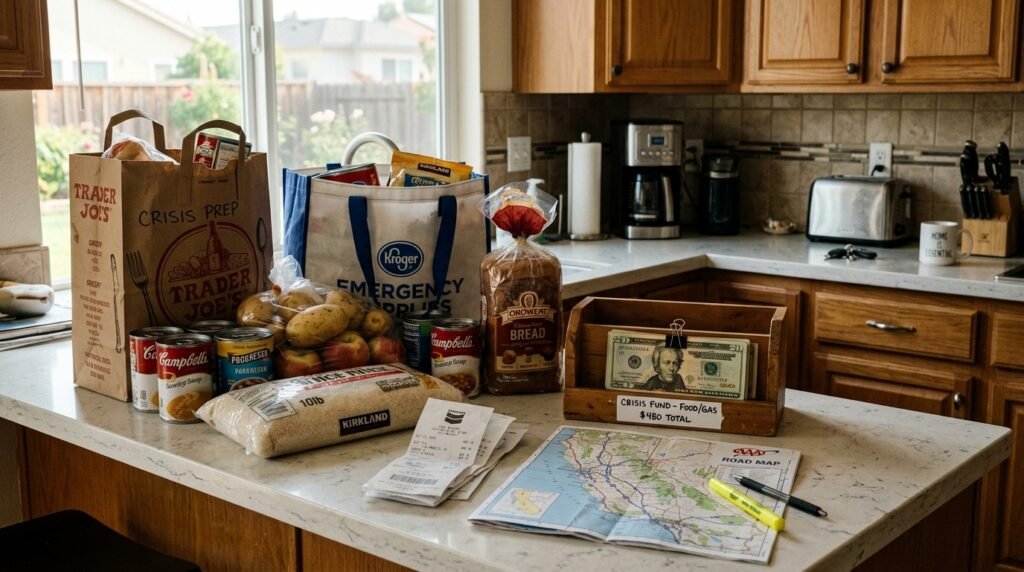
Bankrate cited U.S. Bureau of Labor Statistics average monthly data for food and gasoline costs for U.S. households, which are around $1,000, to be used as a starting benchmark for emergency cash planning.
Prefer Bank Accounts for Larger Savings

In the short-term, emergency cash at home can be helpful, but most financial experts suggest that most liquid savings should be kept in insured bank accounts to provide the best protection and access.
Emergency Funds Range
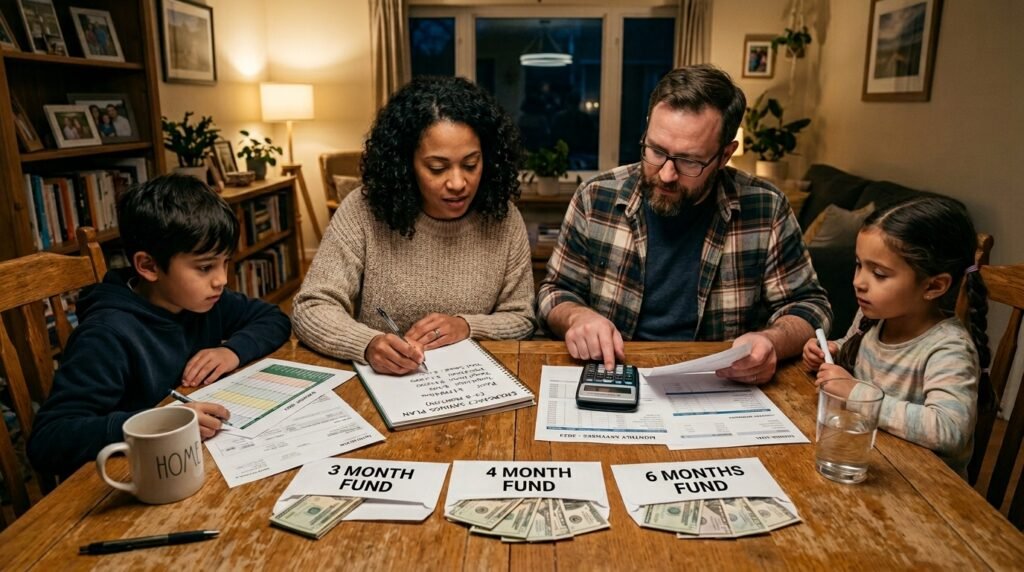
Several financial institutions suggest emergency savings of between three and six months of living expenses based on the stability of income and the financial needs of the household.
Concerned About Banking Access
Some Americans also kept cash in their homes, perhaps due to a 2023 Gallup survey in which 48% expressed concerns about the safety of their money in banks.
Safe Storage for Emergency Cash
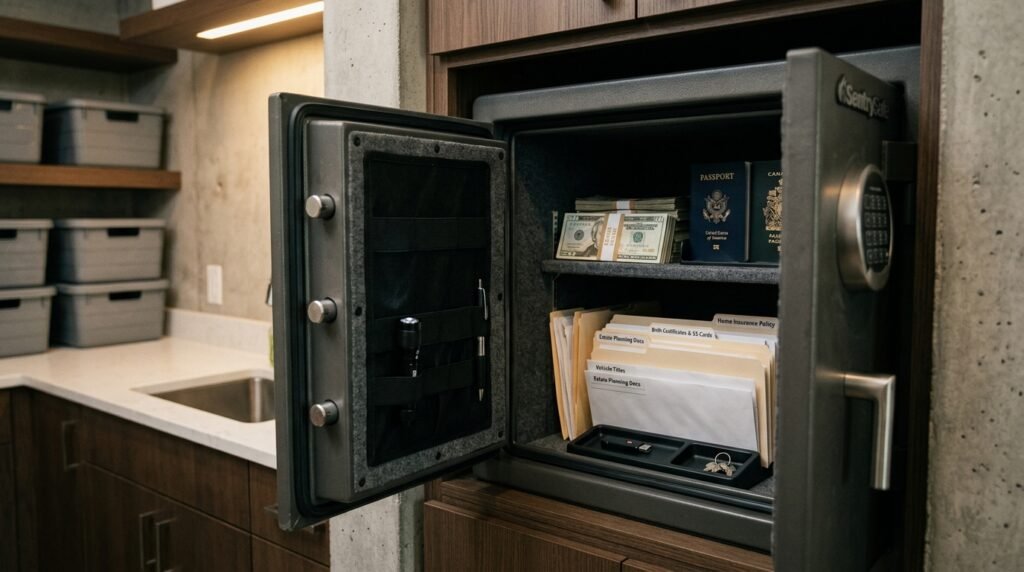
According to experts, people should keep their emergency cash inside a safe that protects against both water and fire damage. A properly rated safe ensures that cash, along with essential documents, remains protected during disasters like floods or house fires.
Below 10% of Emergency Savings
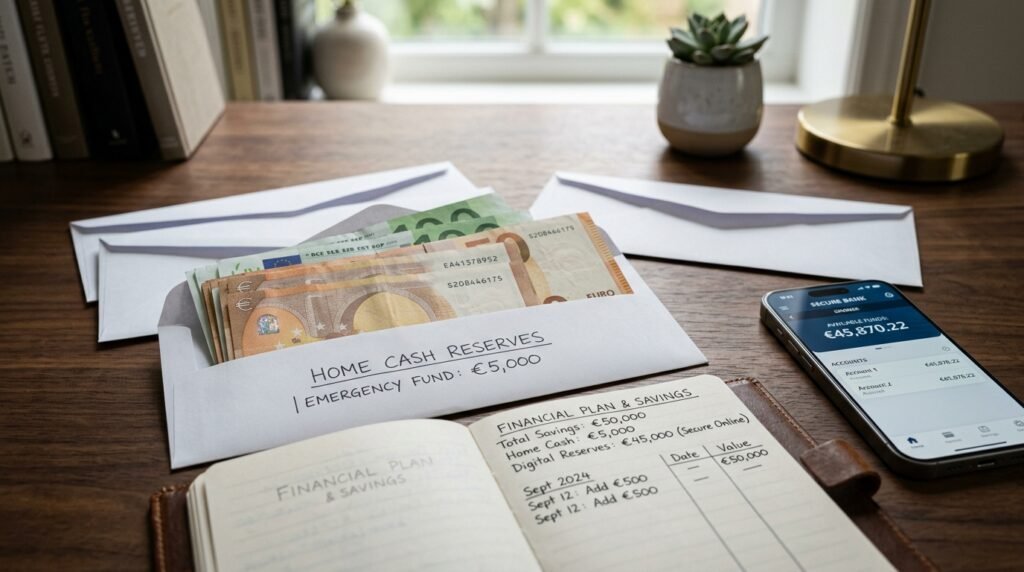
According to Yahoo Finance, financial guidance varies on the percentage of emergency funds that should be allocated towards home cash reserves, depending on the individual’s situation and security concerns, but sometimes it’s suggested to be less than 10%.
