
As artificial intelligence rapidly reshapes workplaces across the globe, one tech CEO’s remarks are stirring debate about who might have a tougher time and who could maybe do better in the coming economy. Alex Karp recently said, and it’s been bouncing around, that basically only two categories of workers are especially suited for long-term wins in an AI-powered environment. At least that’s the idea, and it connects to automation, education, neurodiversity, plus this broader sense of uncertainty that lots of people already carry about jobs these days.
Focuses on Two Specific Groups

According to Karp, the laborers most likely to make it in the future are folks with skilled trade skills, and also people who think in a non-standard way compared to the usual workplace rules, more or less. It’s like they have a different mindset, not just the usual way of doing things.
Trade Workers May Become More Valuable
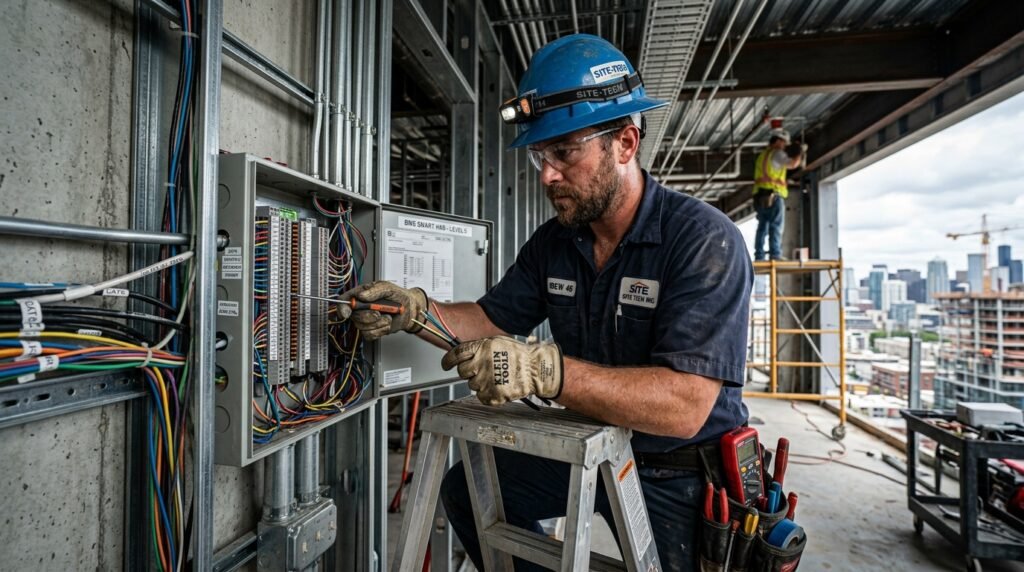
Electricians, plumbers, mechanics, and some construction specialists were brought up as examples of work that is still hard to automate, because it leans heavily on physical tasks, and you need that real-world kind of flexibility and adaptability, in the middle of everything.
AI Still Struggles
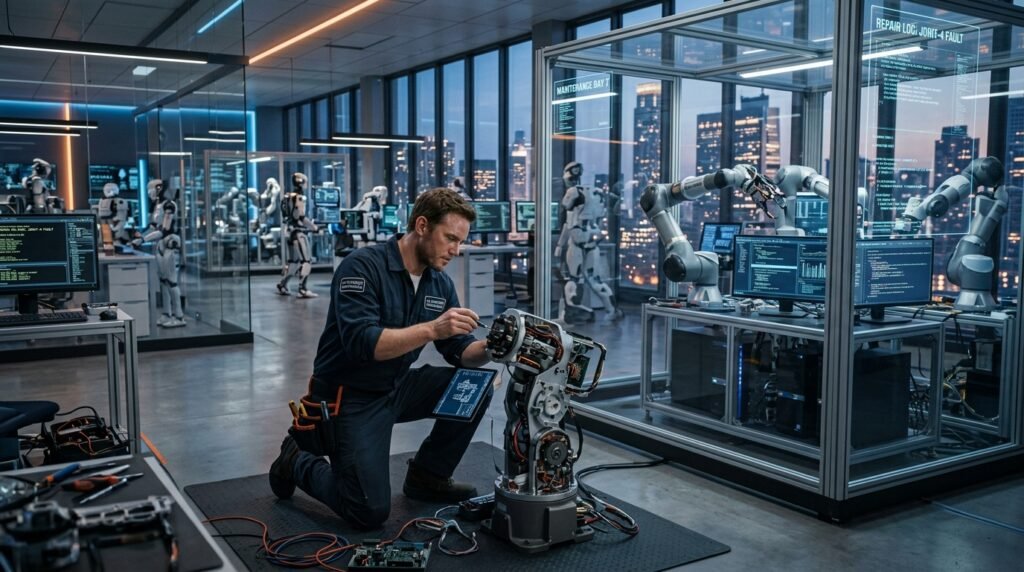
While AI can sort of automate digital and repetitive office tasks, a lot of trade jobs still need that kinda unpredictable decision- making, plus physical coordination and on-site troubleshooting that machines can’t really mimic the same way yet.
Neurodivergent Identified as an Advantage

Karp also suggested that people who process information differently, including some individuals with ADHD, autism, or dyslexia, may excel because of creative and unconventional problem-solving abilities.
Independent Thinking Could Matter More

The bigger notion in what he was saying was that workers who challenge basic assumptions, think in a more oddball way, and adapt quickly might become more valuable when they are working side by side with AI systems, somehow.
Traditional Career Paths Are Facing More Scrutiny

Karp questioned whether some academic and white-collar career tracks will remain as reliable in the future, especially as AI tools become capable of handling more analytical and content-based work.
Youngers Are Already Feeling the Pressure
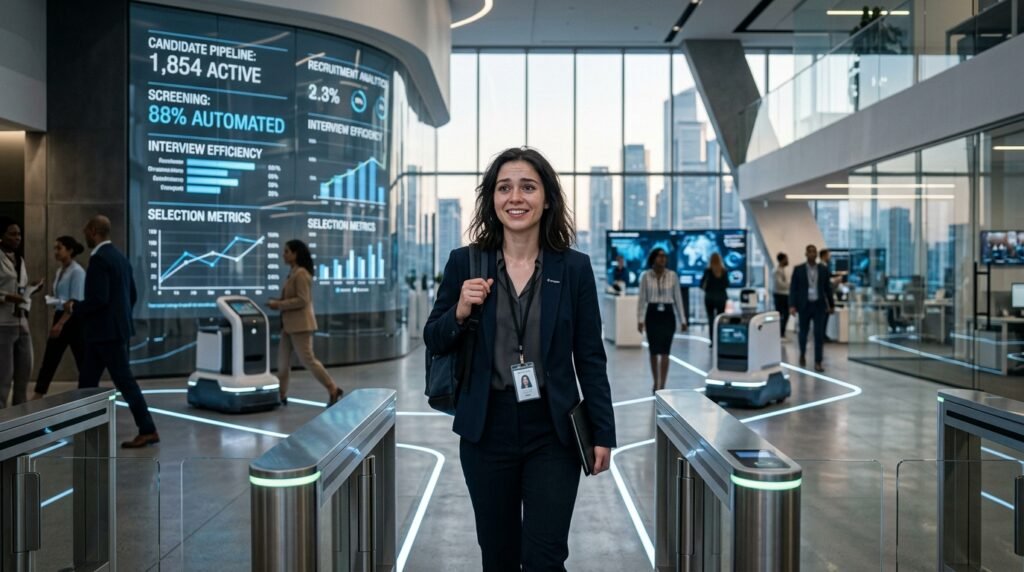
A lot of younger employees, plus fresh graduates, are walking into a job market where the entry-level positions are getting smaller, bit by bit. At the same time, the AI expectations inside companies keep growing really fast, like faster than anyone is actually ready for.
Not Everyone Agrees With the Prediction

Some critics say the comments oversimplify what is actually a far more complicated thing. A lot of experts feel that long-term success will still hinge on a broader blend of education, flexibility, real dialogue, and chance, not only those two worker categories.
