
Retirement planning doesn’t end when you stop working. In a lot of ways, one of the biggest financial choices starts after retirement, not during it. That is, how to withdraw your savings, and how to do it at the right pace. A bunch of retirees put heavy attention on growing their nest egg, but they spend less time building a plan for actually using it. So, you end up with some people pulling out too much, too early, and others taking an almost overly guarded approach. If you understand smarter withdrawal strategies, you can help your retirement savings stretch further, and also keep a stronger sense of financial security, day to day.
Avoid Taking Large Withdrawals Early

One of the biggest mistakes retirees make is pulling out too much money during the first few years of retirement. Those larger early withdrawals can reduce the portfolio’s capability to bounce back after market downturns and to keep generating future growth or momentum.
Follow a Sustainable Withdrawal Rate

Quite a few financial planners use set guidelines like 4% rule. Basically, it says you withdraw around 4% of your retirement savings in that first year, then you tweak it later for inflation, or whatever seems reasonable. Some people call it a steady blueprint, and it helps you think ahead even if your plan gets a bit messy over time.
Create a Retirement Paycheck

Instead of doing random withdrawals, many experts suggest setting up steady monthly distributions that kind of feel like a paycheck. Having a consistent inflow usually makes budgeting simpler, and it also lowers the chance of impulsive emotional spending choices.
Withdraw From Taxable Accounts First

A common strategy that people often use is spending money from taxable investment accounts before touching tax-advantaged retirement accounts. The idea is that this can give the retirement accounts more time to grow, and at the same time, maybe make the whole situation more tax-efficient.
Keep Cash Reserves for Emergencies
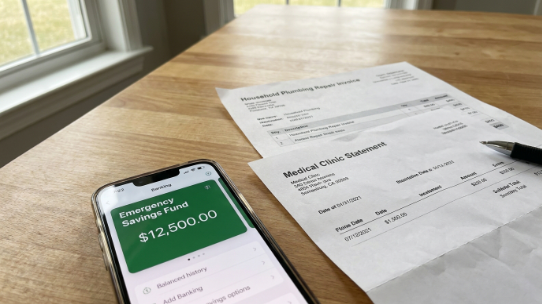
Unexpected expenses can show up at any stage of life. Keeping a cash reserve in place can help retirees dodge having to sell investments during bad market conditions. Home repairs, medical bills, or even family emergencies tend to appear out of nowhere, and it’s kind of hard to plan for that.
Adjust Withdrawals During Market Downturns

It would not be wrong to say that retirees who cut back on discretionary spending during bear markets can kinda help preserve portfolio longevity. Selling fewer investments when prices are down allows more assets to participate in future recoveries.
Don’t Ignore Required Minimum Distributions (RMDs)
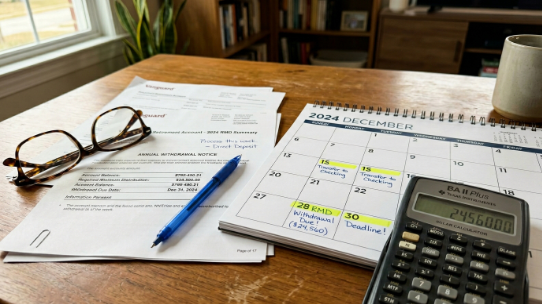
After retirees hit the age that’s set by federal law, some retirement accounts will start asking for minimum yearly withdrawals, even if they’d rather not. If someone misses an RMD, the consequences aren’t just minor; they can trigger hefty tax penalties.
Coordinate Social Security With Withdrawals

The timing of Social Security benefits can sort of change how much you have to pull out of retirement savings. If you delay those benefits, it might raise the future monthly payments, which in turn can ease some pressure on your investment accounts later.
Review Your Strategy Every Year

Retirement is not one of those “set it and forget it” things, you know. Income needs, market performance, healthcare costs, and tax laws can change over time. Doing a yearly check-up helps make sure your withdrawals stay kind of aligned with the long-term plans.
Focus on Longevity, Not Just Income

The goal isn’t simply generating income today, it’s ensuring savings can support decades of retirement. A balanced withdrawal strategy helps manage both current lifestyle needs and future financial security.
