
Traditional budgeting advice often assumes you receive the same paycheck every month. But for freelancers, gig workers, commission-based employees, seasonal workers, and many small-business owners, income can vary dramatically from one month to the next. That unpredictability can make budgeting feel frustrating and stressful. Fortunately, managing an irregular income doesn’t require a perfect financial situation. It simply requires a different system designed to handle both high-income months and leaner periods.
Start With Your Lowest Expected Income

Instead of budgeting around your best month, build your budget using the minimum amount you realistically expect to earn, like not the peak one. This ends up as a more conservative plan, and it helps make sure essential expenses can still be covered during those slower periods, even when things feel a bit uncertain.
Separate Needs From Wants
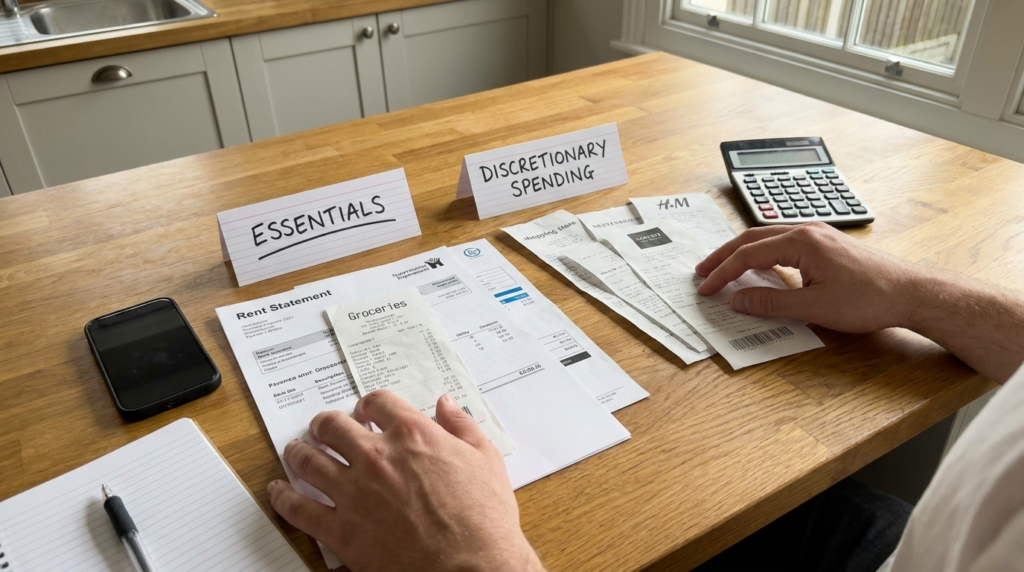
When income fluctuates, it helps to figure out which expenses are truly essential, you know, for real. Housing, utilities, groceries, insurance, and transportation usually go in the needs basket. Meanwhile, discretionary spending can shift around from month to month, depending.
Create a Monthly Baseline Budget

Set up a core budget that only covers the really necessary costs. That starting point becomes this kind of financial survival plan, and it helps bring clarity when your income shifts from month to month.
Build an Income Buffer
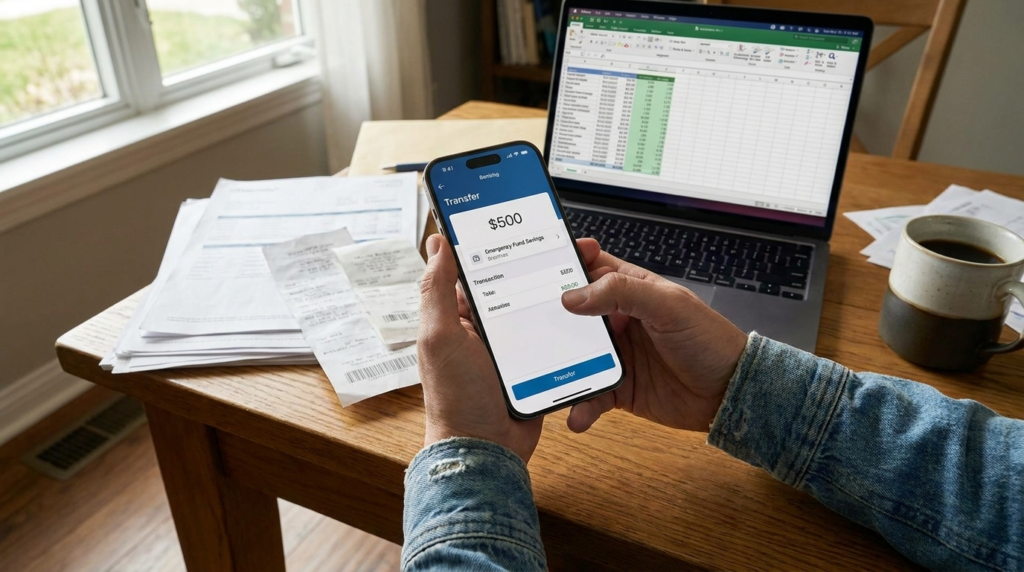
One of the most effective strategies for earnings that keep changing is just maintaining a cash reserve. When earnings look strong, set aside some extra funds too, because that buffer can help you handle regular expenses when your income drops out of nowhere, or a bit suddenly.
Pay Yourself a Consistent Amount

Many freelancers and business owners transfer a fixed amount from business income into their personal accounts each month. This approach can create greater stability and make budgeting feel more like managing a traditional salary.
Save Extra Income Immediately

When a particularly good month arrives, it can be tempting to increase spending. Instead, consider directing a portion of the additional income toward savings, taxes, debt reduction, or future expenses before adjusting your lifestyle.
Track Income Weekly

People with variable earnings often do better by taking a look at their income more often than traditional employees, like not just once in a while. Weekly tracking gives a more grounded view of cash flow, and it can help surface patterns before financial issues really start to build up.
Prepare for Seasonal Changes
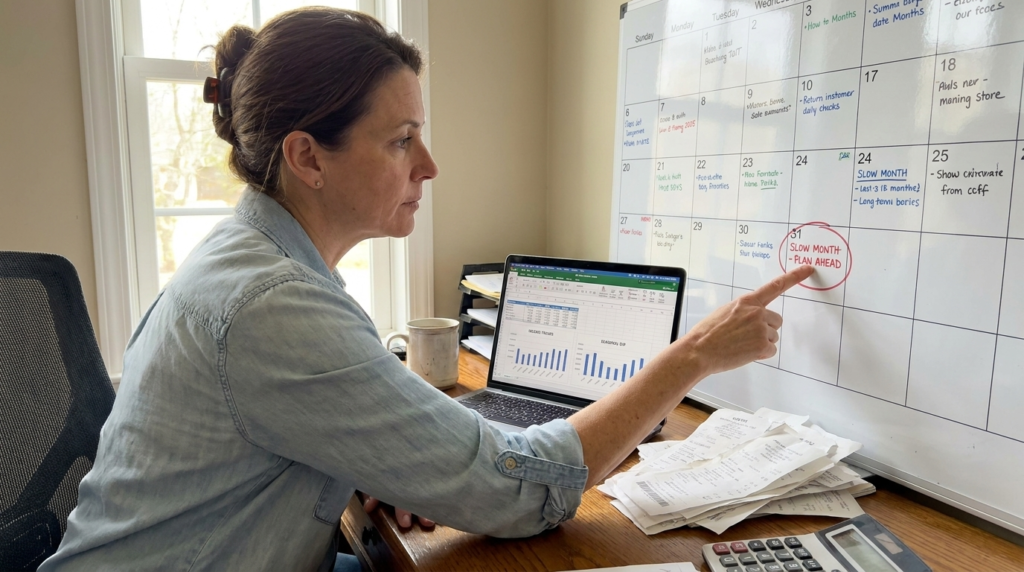
Many industries experience predictable slow and busy periods. Understanding these patterns can help you save aggressively during peak months and avoid financial surprises when business naturally slows down.
Keep Fixed Expenses Low
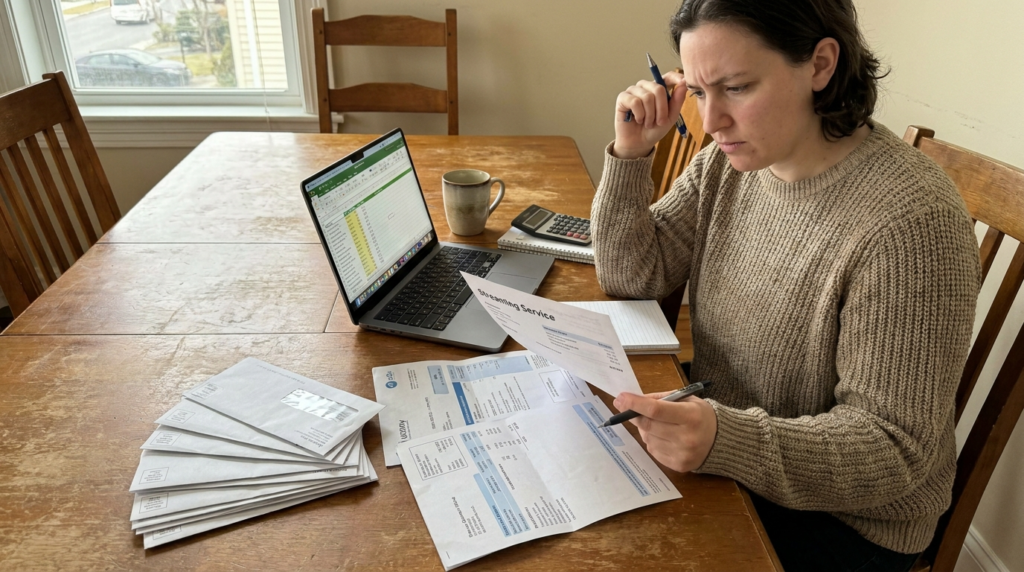
The lower your required monthly outlays, the more manageable it gets when income starts to bounce around a bit. Keeping long-term obligations in check can give you extra wiggle room for those uncertain stretches where things feel kind of unstable.
Review and Adjust Regularly

A budget for irregular income should stay flexible, like it has to breathe a little. Your income sources, expenses, and financial goals can shift over the course of the year, so do regular check-ins really matter to keep the plan realistic and actually useful?
