
Credit cards can feel pretty convenient, with rewards and consumer protections, but they can also get unexpectedly pricey once the little fees start stacking up. Lots of cardholders look mostly at the interest rates, and sort of forget the smaller charges that quietly build costs over time. Things like late-payment penalties, foreign transaction fees, and other common extras are usually where the budget leaks happen. If people understand which charges are most typical, they can keep more money in their pockets. Knowing how to avoid these fees is often just as important as choosing the right card.
Annual Fees

Some credit cards charge yearly membership fees in exchange for rewards, travel perks, or premium benefits. Choose a no-annual-fee card or make sure the benefits outweigh the cost before applying.
Late Payment Fees

Missing a payment due date can set off a penalty fee, and it may also quietly drag down your credit score. It helps to set up automatic payments or use a calendar reminder, so everything gets taken care of on time.
Interest Charges

Dragging a balance from month to month often ends up with interest charges tacked on, which can really boost the overall price of what you buy. Try to pay the entire statement balance whenever possible. That way, you avoid interest completely, no added cost, no lingering interest.
Foreign Transaction Fees

Many cards can charge extra once you make purchases outside the United States, or if they go through foreign banks. So, it’s usually better to use cards that are specifically designed to have no foreign transaction fees when you travel internationally, you know, for a smooth trip.
Cash Advance Fees

When you use a credit card to pull cash, it almost always starts with an immediate fee, plus the interest tends to be much higher. If possible, go with a debit card, or use an emergency savings fund instead of doing a cash advance.
Balance Transfer Fees

Moving debt from one card to another often comes with a transfer fee, usually calculated as a percentage of the amount transferred. Compare offers carefully and look for promotional balance-transfer cards with lower fees.
Returned Payment Fees
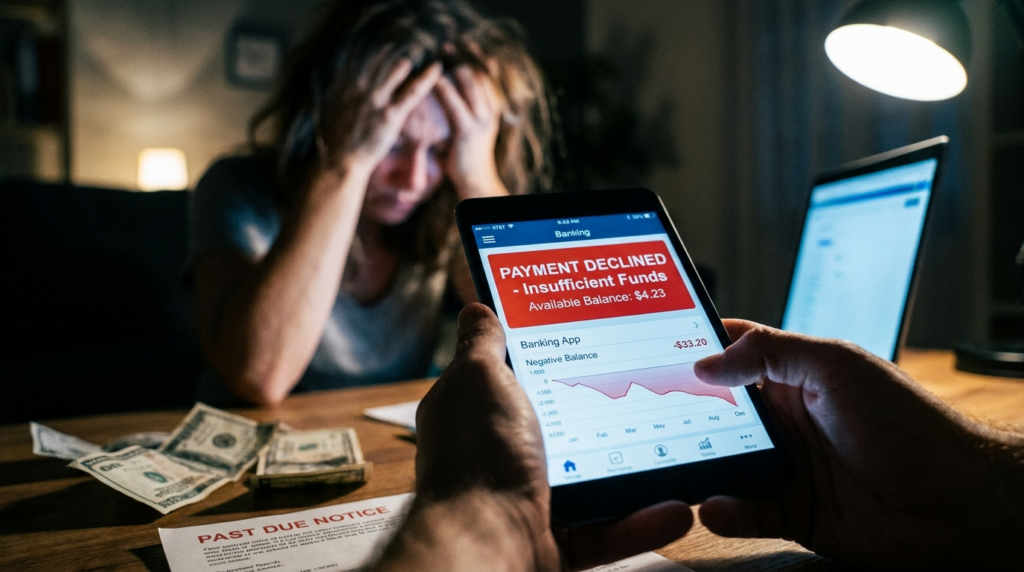
If a payment is rejected because of insufficient funds or banking issues, the card issuer may charge an additional fee. Monitor account balances and verify that payment information is correct before submitting payments.
Over-Limit Fees

Although less common today, some credit card issuers may still charge fees if transactions exceed approved credit limits. Track spending regularly and set account alerts for high balances.
Expedited Payment Fees

Some card companies charge extra if you request a same-day or rush payment processing service. Schedule payments in advance rather than waiting until the last minute.
Replacement Card Fees

Some issuers will charge extra for expedited shipping when they need to send a replacement for a lost, stolen, or damaged credit card. Better to keep your store cards securely, and if you can, ask for standard replacement shipping when there is time to spare.
