
The way people handle their finances needs to be managed with special care because their daily activities create unplanned expenses which they do not recognize. People who maintain strict control over their financial activities still encounter hidden dangers which can result in financial losses. The initial impression of these situations comes across as straightforward yet their cumulative effects build up throughout their duration. People who want to learn about their spending patterns must understand these common spending traps because this knowledge will help them make better financial decisions throughout their daily activities.
The Subscription Services You Forget About

People commonly forget to cancel their subscriptions after they sign up for various apps and streaming services and tools. The small charges which occur each month appear to be insignificant but they actually create a financial burden which builds up to affect your complete budget.
The Limited-Time Offers

People experience an increased desire to purchase products when they see special discounts and countdown timers which create time restrictions. People may feel encouraged to buy quickly, even when the item was not planned. Taking a moment to think can help avoid unnecessary spending.
Buying in Bulk Without a Plan

People who purchase large quantities of items believe they will save money. People may purchase products which they will not actually utilize. The actual need for items should be used as a basis for planning purchases to prevent both waste creation and unnecessary expenses.
The Easy One-Click Purchase Process

People find it extremely easy to buy items through online shopping websites. People who browse online stores without any specific purpose will end up buying items which they did not plan to buy after using fast checkout features. The decision-making process improves when people take time to complete their tasks.
The Free Trials That Turn Into Paid Subscriptions

Free trials become paid subscriptions after the user has used the service for a set period of time. The system starts to charge users for services which they did not want to pay for if they miss the reminder alert. Users can prevent unanticipated costs by monitoring their trial periods through the established time limits.
Small Daily Expenses

People think that daily expenses from snacks and coffee and quick online purchases only cost them a little bit. The small daily expenditures accumulate over time to create greater financial effects than people anticipate for their monthly payments.
Paying Only the Minimum on Credit Cards

The practice of making minimum credit card payments serves to prolong active debt periods. The resultant financial impact leads to higher payments throughout the entire duration of debt repayment.
Emotional Spending

People tend to make unexpected purchases whenever they experience strong emotional states which include both positive and negative feelings. People who understand these triggers will experience more peaceful and intelligent decision-making abilities.
Ignoring Price Comparisons

Consumers who make purchases without examining alternative products end up spending more money than needed. People who dedicate several minutes to price matching will achieve cost reductions on their everyday expenditures.
Not Reviewing Bank Statements
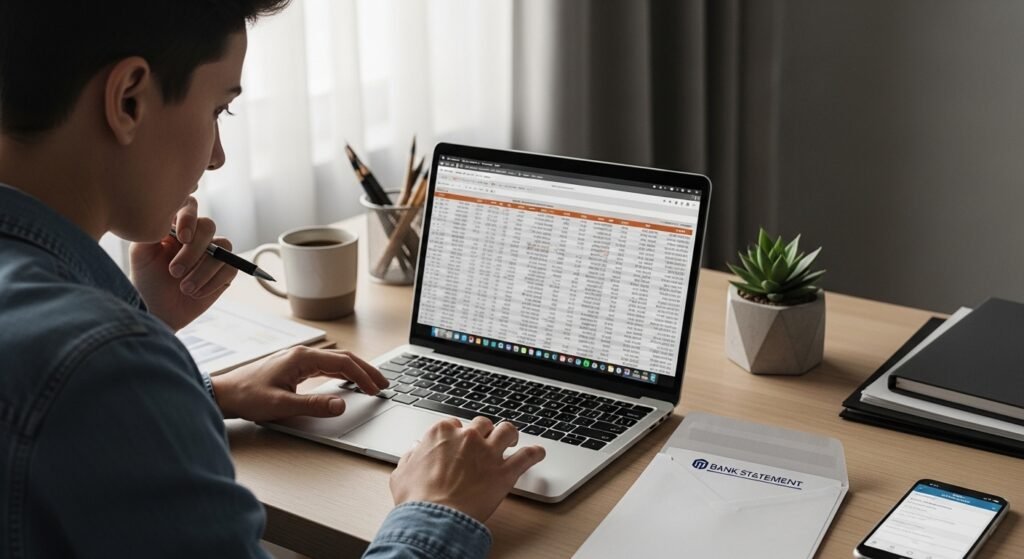
People who do not perform regular bank statement audits will lose track of extra expenses and membership costs. Frequent account reviewing enables individuals to achieve greater financial oversight.
