
Thanks to digital tools, flexible working, and expanding online markets, starting a small home business is increasingly becoming an option. Side hustles are a good way to generate additional revenue and have flexibility in their workday and work environment. To achieve the monthly income objective, it may be necessary to plan, be consistent, and select the right business model. Beginners who grasp a few tips on how to set up could construct a more structured and viable home company in time.
Business Idea With Steady Demand

Successful home businesses often begin with services or products people actively search for. Common avenues for those who are just starting to look into flexible income are freelancing, handmade products, tutoring, digital design, and internet-based reselling.
Make a basic budget

Minimizing startup costs will take some of the pressure off financial matters from the outset. Small home businesses often start with simple machines, free web-based tools, and inexpensive marketing, and slowly grow in size.
Make a Separate Workspace
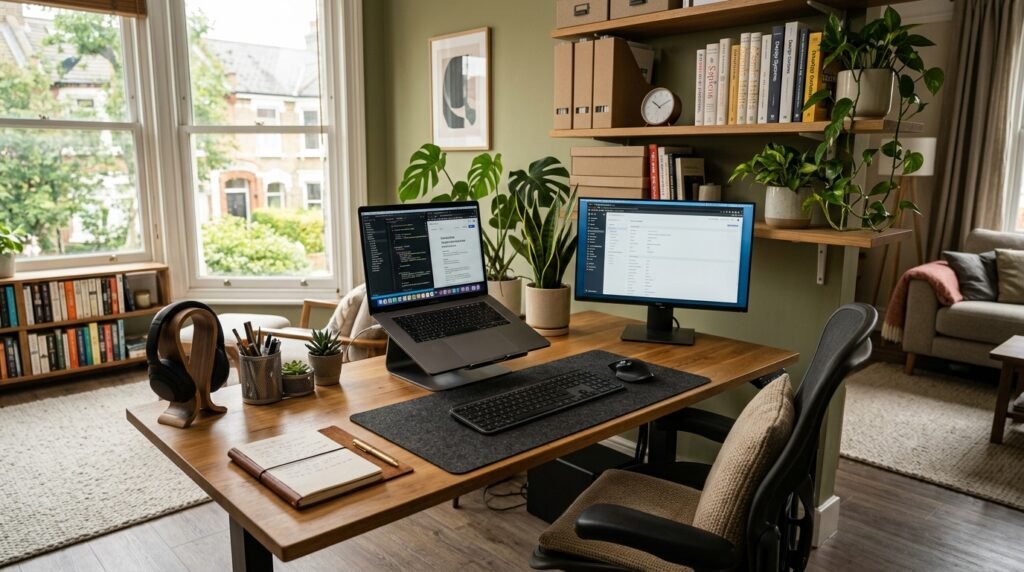
An independent work area enhances organization and uniformity. No matter how small your office space is, you can be productive and establish a separation between your personal and business life.
Established Basic Business Accounts
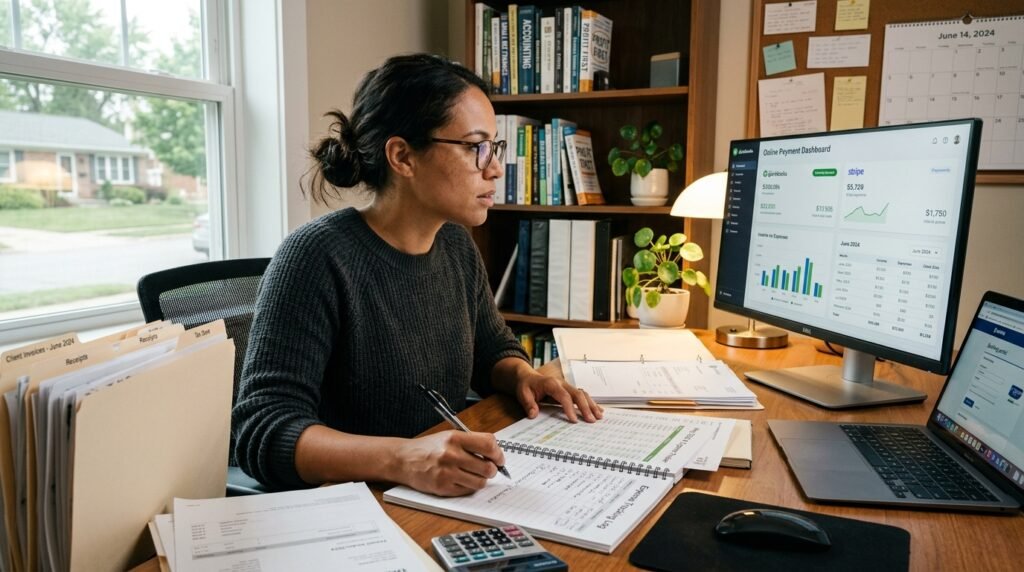
Using separate bank accounts and payment methods for business transactions helps simplify budgeting, expense tracking, and overall financial organization as income begins to grow.
Create an Online Identity

The easy-to-find products or services on a basic website or social media page make it easier for prospective customers to find them. Online visibility is a critical element for many small businesses to get off to a strong start.
Focus on One Income Stream First

It may be challenging to have too many ideas at once. Many businesses start with one product or service and one kind of customer, and then slowly grow.
Learn Basic Marketing Skills

Learning about basic marketing strategies, such as social media marketing, customer interaction, and online marketing, can be relevant to drawing more regular attention without significant advertising expenditures.
Track Monthly Income and Expenses
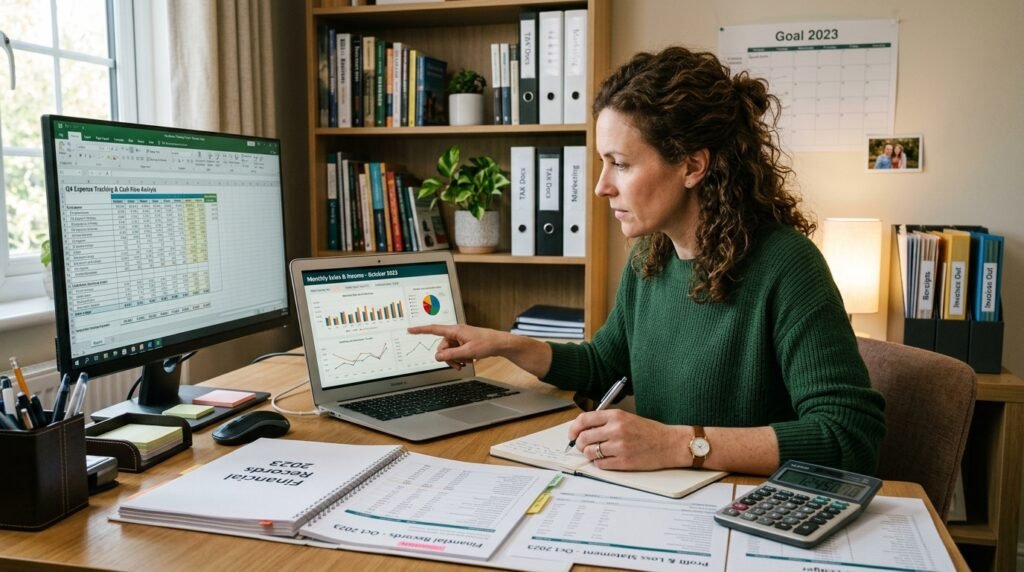
It is important to track sales, subscriptions, materials, and expenses to get a clearer view of profitability. Tracking can also be used regularly to see what is working and where there may be a need for adjustments to improve growth.
Stay Consistent and Improve Gradually
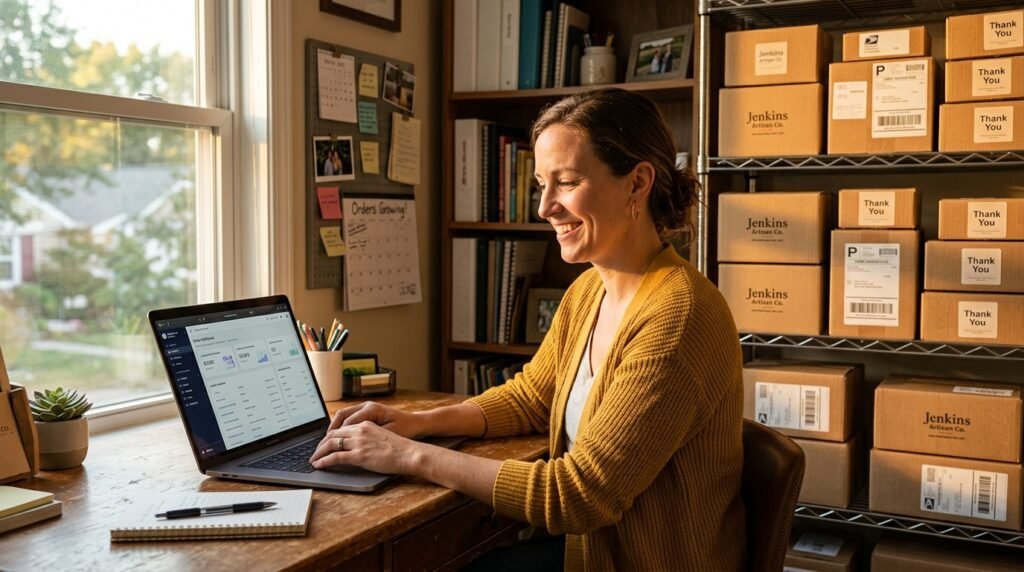
Most small businesses develop over time and do not become successful overnight. Overt effort, customer feedback, and incremental improvement can be a major component of achieving sustainable income per month over time.
