
For many baby boomers, a home is, at once, a place to live and also one of their biggest financial assets. As retirement nears or has already started, housing choices tend to get more and more significant for handling spending, keeping day-to-day comfort, and backing longer-term financial targets. Whether retirees decide to stay where they are, move elsewhere, or tap into home equity, there are a bunch of practical angles worth weighing. Good prep work can make sure the home keeps doing double duty, lifestyle needs and financial needs alike, across retirement.
Reevaluate Your Needs
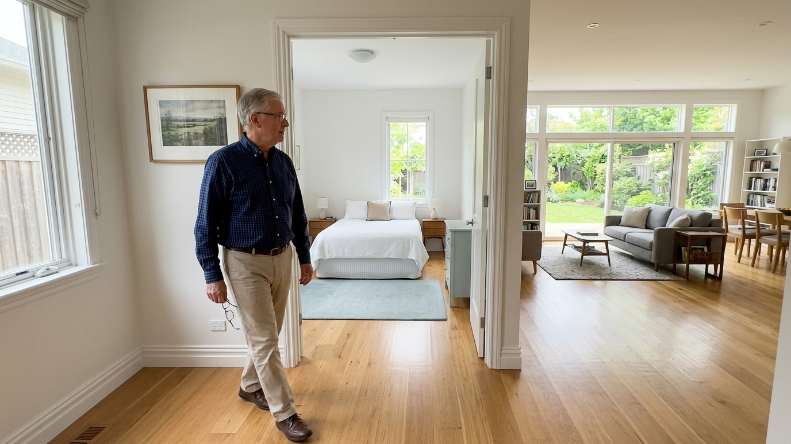
The house that worked well while raising a family may no longer be the best fit in retirement. Those extra rooms, big yards, and the whole multi-level layout can quickly turn into a lot of costs and time. In retirement, it’s worth asking if your current place still fits your day-to-day routine, your ability to move around comfortably, and, of course, what you can actually afford.
Consider Downsizing
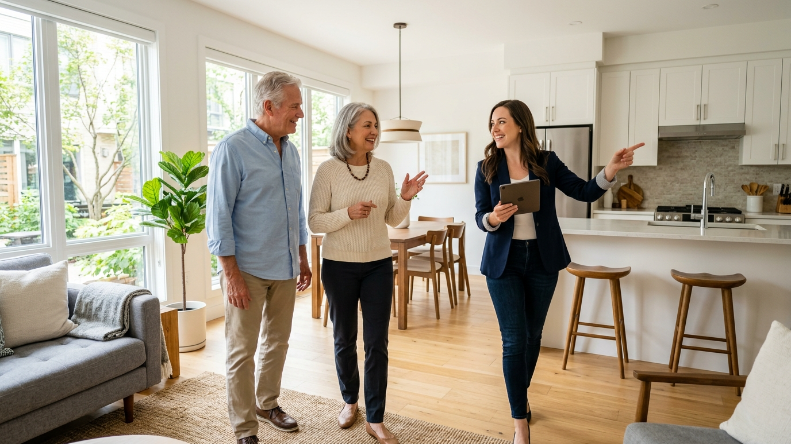
Downsizing can end up lowering housing costs, cutting down on maintenance chores, easing the burden of property taxes, and even shrinking utility bills a bit, too. It can also open up a decent slice of home equity, which may help fortify retirement savings later on.
Pay Off Remaining Mortgage Debt
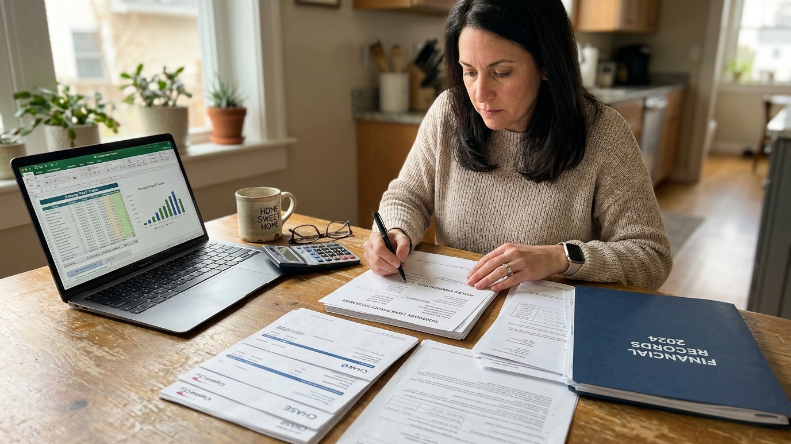
Stepping into retirement with a mortgage can mean dragging along a high monthly cost, especially when your income is more fixed, not so flexible. Getting the loan cleared before retirement, or at least knocking it down early in retirement, can smooth out your cash flow and also ease that constant financial pressure.
Make Aging-in-Place Improvements
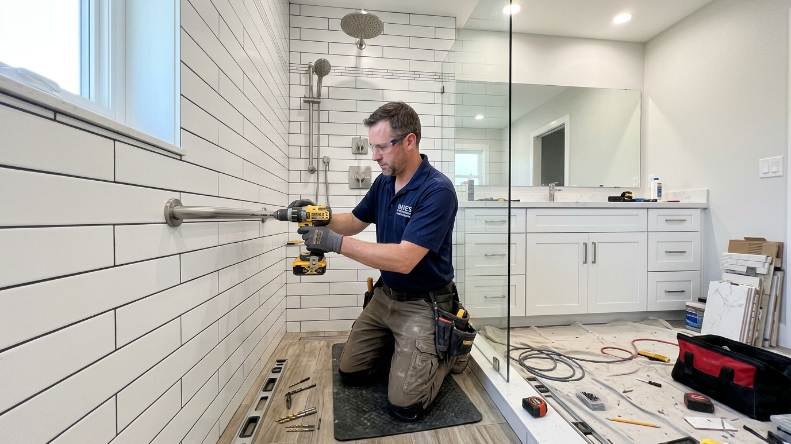
Many retirees want to remain in their homes as long as possible. Making accessibility upgrades now can help prevent costly moves later and improve safety. For example, installing grab bars, walk-in showers, better lighting, and more.
Review Property Tax Relief Programs
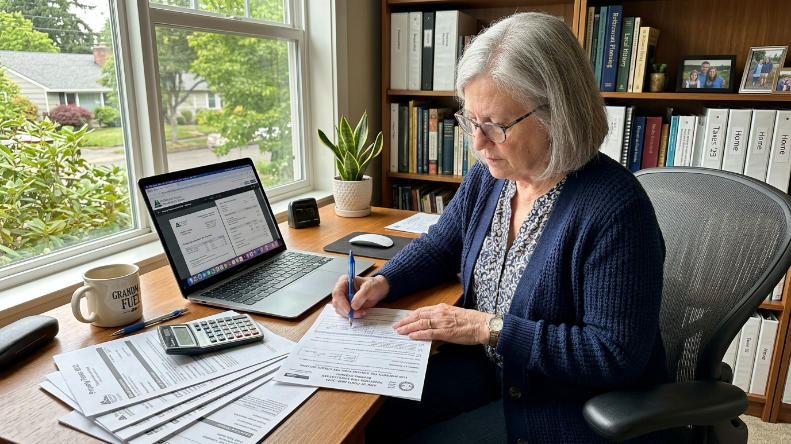
A lot of states, counties, and municipalities offer property tax breaks for seniors, but not everybody actually uses them. These kinds of programs can lower yearly housing costs, and at the same time help make retirement budgets a bit steadier.
Explore Rental Income Opportunities
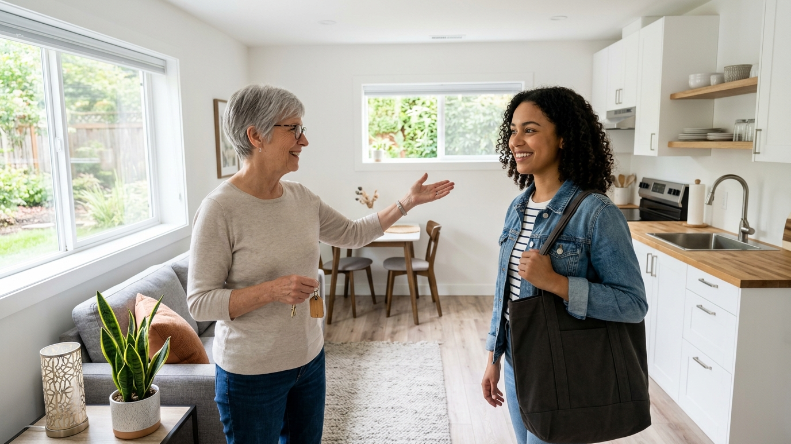
Unused space can turn into surprisingly valuable retirement income. Renting out a spare room, a basement apartment, or a guest house could help balance those living expenses without a major lifestyle shift.
Develop a Long-Term Housing Plan

Retirement can last 20 to 30 years or more, making long-term planning essential. Retirees should think about future healthcare needs, proximity to family, transportation access, and whether their home will remain practical as they age.
