
Starting and growing a business means dealing with risks, but not all of them are “take it or leave it” because some can be managed with the right insurance coverage. A lot of entrepreneurs get busy with selling, day-to-day operations, and marketing, but they sort of miss that one lawsuit, a sudden accident, or another unexpected situation could really shake the company’s finances. With business insurance, you can cushion those moments, yet the choices can feel tangled or confusing at first. If business owners take time to recognize the main types of coverage, then the decisions tend to become easier to steer, not so blind and fast.
Start by Identifying Your Biggest Risks

Every business faces different challenges. A retail store, consulting firm, and construction company all have unique exposures that require different types of protection. Understanding your risks helps prevent paying for coverage you don’t need while ensuring important gaps aren’t overlooked.
General Liability Insurance Is Often the Foundation

It may help protect against kinds of claims tied to bodily injury, property loss, or even marketing-related disagreements. If a customer slips and falls at your business premises, then general liability coverage might help cover the legal plus medical expenses.
Professional Liability Insurance

Businesses that provide advice, consulting, or professional services often consider professional liability insurance, sometimes called errors and omissions (E&O) coverage. For instance, a client who claims your advice caused financial losses could potentially bring legal action.
Property Insurance Covers Physical Assets

Property insurance can help guard buildings, hardware, inventory, furnishings, and other business assets from covered incidents like fire, theft, or specific natural disasters. Replacing business property out of pocket can be extremely expensive.
Cyber Insurance Is Becoming More Important

Property insurance can help guard buildings, hardware, inventory, furnishings, and other business assets from covered incidents like fire, theft, or specific natural disasters. If something has to be replaced, paying out of pocket can get wildly expensive for the business, even for relatively small losses.
Workers’ Compensation May Be Required

For most businesses that have employees, there is a legal requirement to hold workers’ compensation insurance, sort of mandatory in practice. It tends to help cover medical bills and missed wages when an employee gets hurt at work or develops a work-related illness.
Business Interruption Insurance

Some insurance policies help with lost revenue, like sort of replace the income, when a business has to close for a little while because of a covered event. Consider this example: a fire that forces a restaurant to shut down for several weeks could significantly affect cash flow.
Commercial Auto Coverage
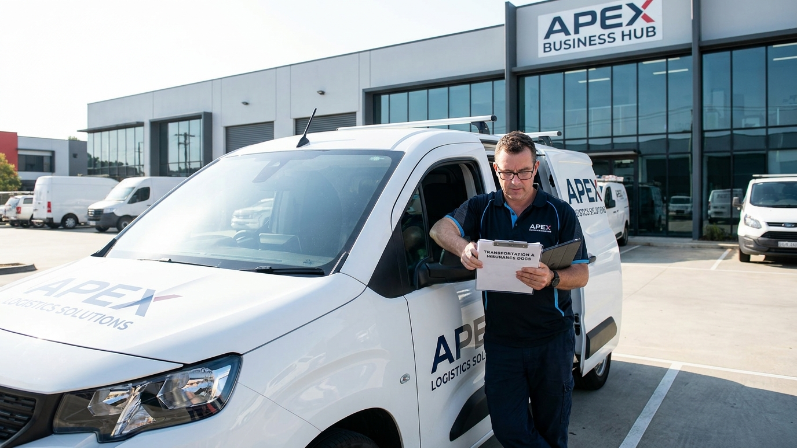
Personal auto insurance often does not fully cover vehicles used primarily for business purposes. For example, delivery services, contractors, and businesses with company vehicles frequently require commercial auto insurance.
Review Coverage as Your Business Grows

It would not be wrong to say that insurance needs often change as companies add employees, expand locations, launch new products, or increase revenue. Coverage that was sufficient at startup may no longer be adequate a few years later.
Work With Qualified Insurance Professionals

Business insurance can be complex, especially when multiple policies are involved. An experienced insurance professional can help evaluate risks and explain available options. Proper guidance can help avoid costly coverage gaps while preventing unnecessary spending.
