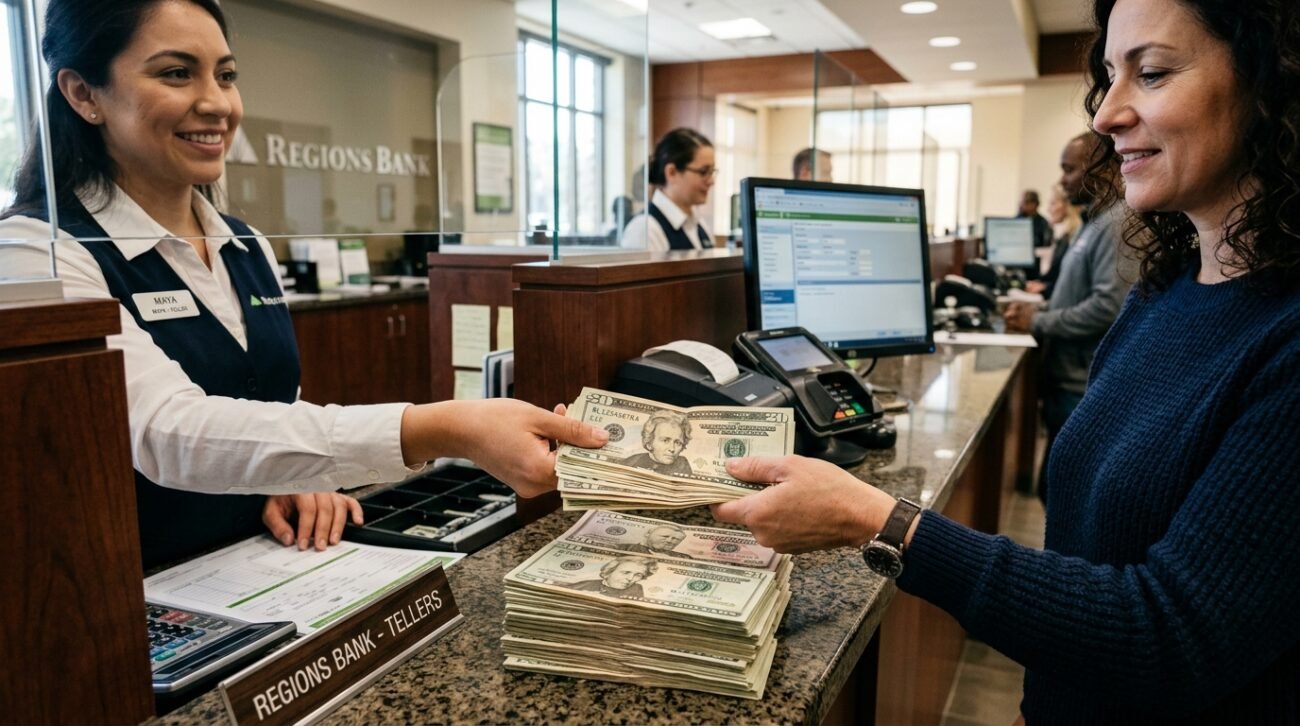
The $50 bill is in a unique place in American currency. It’s worth enough to not be everyday use, but not so valuable to not be there at all. It is a fact that many people see that banks and store and ATMS release the bills of $20 much more often, but why is it that the bills with a value of $50 are released less often? Many people indeed observe that the bank, stores, and ATMs give out the $20 bill much more regularly than the $50 bill, but why is that the case? It’s not so much about keeping things secret as it is about what customers are doing, how they’re spending money, and how banks are doing their banking business.
Federal Reserve Prints Fewer $50 Bills
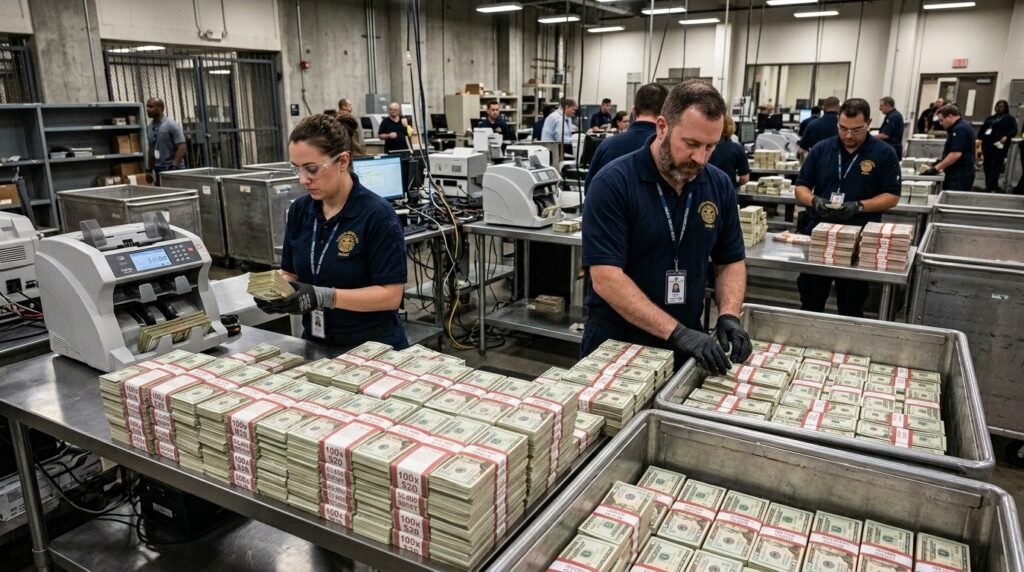
According to Federal Reserve currency circulation data, $20 bills are used far more frequently in daily transactions than $50 bills. Banks generally stock denominations based on customer demand and circulation patterns.
Many ATMs Prioritize $20 Bills

In the U.S., the majority of ATMs are set up to function mostly with $20 bills since they are easier and more convenient for typical withdrawals and purchases at retail stores. Some machines have limited amounts of larger denominations, such as $50 bills.
Stores Sometimes Hesitate With Larger Bills

Sometimes, retailers refrain from accepting large bills due to change management and counterfeit issues. This means that consumers may be more inclined to bring smaller denominations in their wallets for easier transactions.
Banks Stock Cash Based on Usage Trends
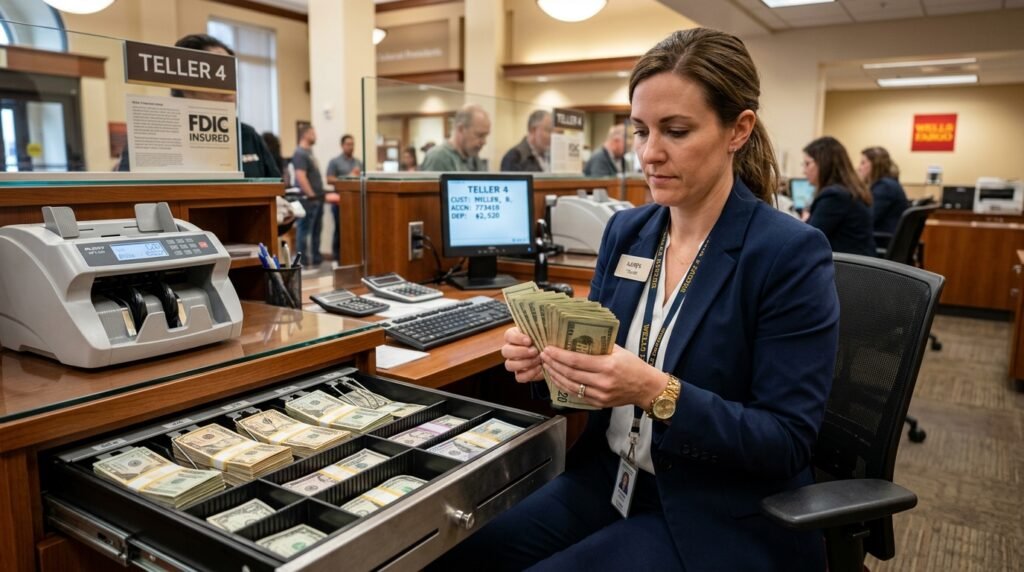
The cash inventory in bank branches is arranged according to the habits of the customers withdrawing cash. Banks tend to allocate more space and teller cash to smaller denominations of bills since these are requested by people more often.
Less Common in Everyday Spending
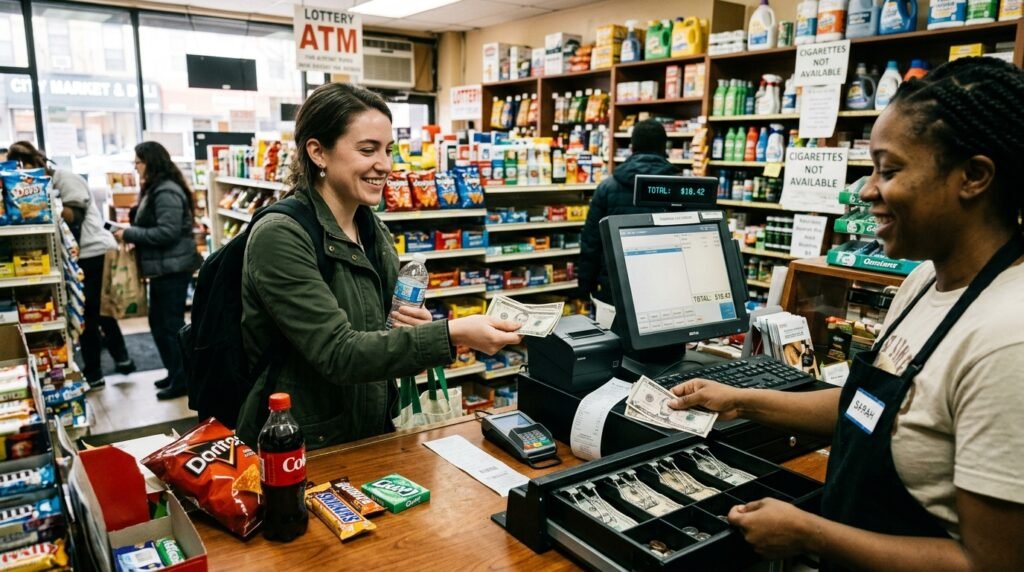
$50 bills are less frequently used for typical transactions such as groceries, restaurants, or transportation, when compared to $1, $5, $10 and $20 bills. This is a lower circulation that will naturally dampen demand at banks.
Due to Counterfeit Concerns
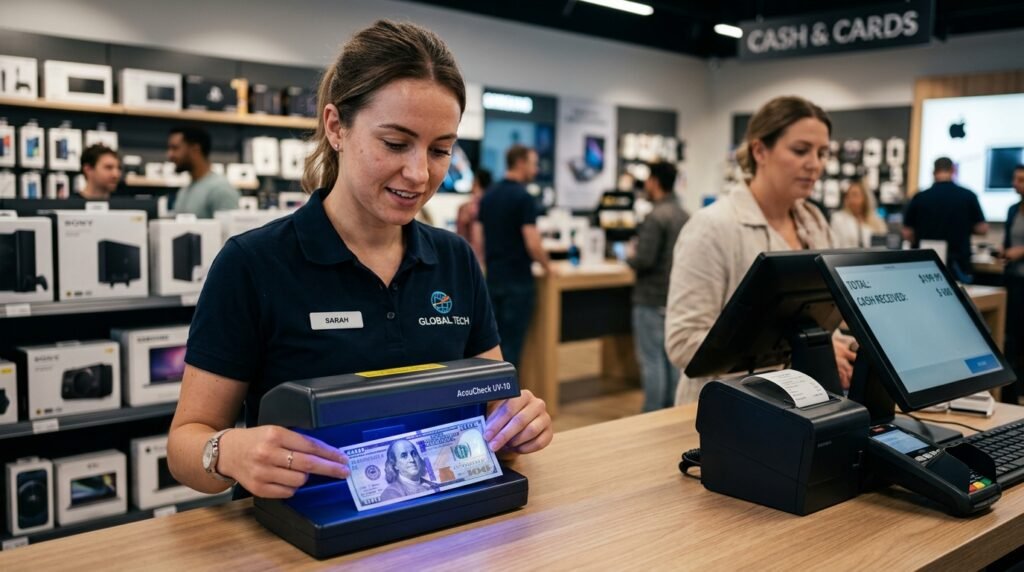
In the past, some businesses were more conservative with the higher denominations, since there was a greater risk of counterfeiting with less common denominations. Modern security has become a lot better, but habits have not.
Associate $50 Bills With Larger Transactions

When people have more expensive bills, they tend to save them for something special, like a trip, a gift, or a big purchase. That’s a trend that is leading to lower turnover than other denominations that are more widely circulated.
Banks Still Carry Them
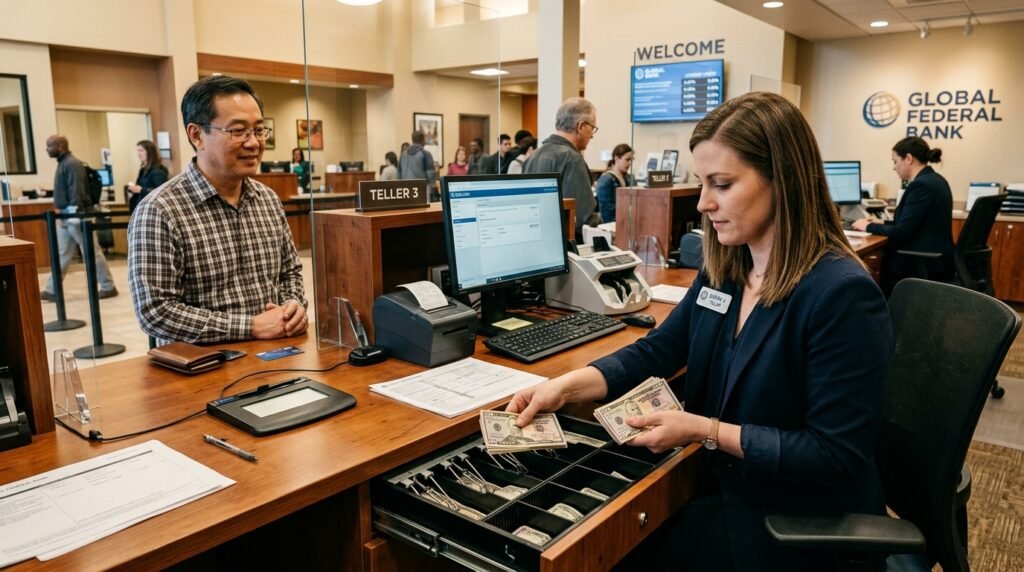
While most banks continue to issue $50 bills on demand, they may not have large quantities of them in their teller drawers. The size and location of branches, and the demand for their services, often affect their availability.
