
Eyes are sensitive to the weather, the light and the air quality. The seasonal changes change the humidity, sun exposure, allergens, and indoor environments. A great number of individuals observe drabness in the winter, scratchiness in the summer, or discomfort in changes of the seasons. The strain can be minimised by adjusting daily eye care practices, which will allow for maintaining comfort in the long term. Minor movements, done regularly, would keep the eyes clear and easy all year round. The guide describes the impact of various seasons on the health of the eyes and provides practical methods to change the routine. The steps are aimed at protection, balance, and comfort without any dramatic statements or elaborate recommendations.
Winter Dryness Protection

Natural moisture is decreased by cold air and indoor heating. Administer light eye drops when recommended by the professionals. Blink frequently, restrict direct heater airflow, and schedule screen breaks to lessen the conditions of dryness and surface irritation in colder seasons.
Managing Indoor Heating Effects

Raised humidity occurs in rooms that are heated. Have a humidifier in the vicinity, have vents facing away front of the face and take enough water. A stable indoor air helps in preserving the tears, and lessening the itchy or sore eye feeling.
Summer Sun Exposure Care

Bright sun radiation exerts strain and glare. Wear sun protection glasses when out and wear frames that are wide in order to cover more of your face. The habits contribute to minimising the level of discomfort, safeguarding surface tissues and helping to have a clear vision of the world throughout the long periods of daytime.
Dealing With Seasonal Allergies

It is common for pollen or dust to be responsible for redness and itching. Once you are outside, splashing cold water over your face and washing your hands is one way to help reduce the tear flow. Try not to rub your eyes. At the very least, keeping your eyes clean should help to limit irritation and speed up healing.
Monsoon and Humidity Balance

Stickiness can be brought about by high humidity. Wash eyes, keep them clean, do not touch them with dirty hands, and dry the face with a towel. Damp weather is a risk factor that can cause infection, which is minimised by balanced hygiene.
Screen Use Across Seasons

The screens of work and leisure put a strain on the eyes throughout the year. The rule of twenty-twenty-twenty, brightness, and distance. Regular screen time cushions concentration and comfort despite changes in lighting with different seasons.
Hydration for Eye Comfort

The water consumption promotes the generation of tears in all seasons. The lack of water usually increases desiccation and exhaustion. The need to be hydrated regularly will help the eyes in general, particularly during times when weather changes are unforeseen.
Nighttime Eye Care Routine
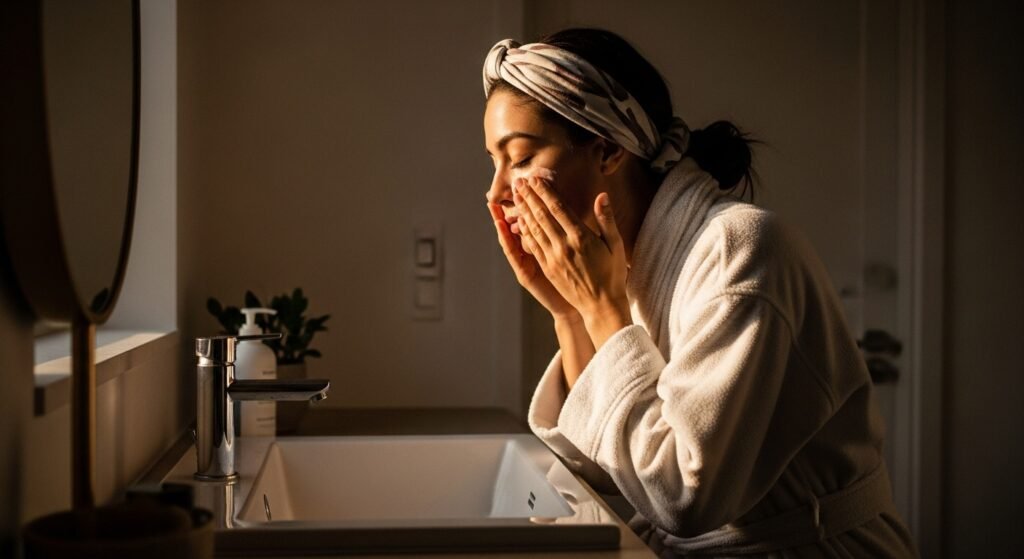
Wash your face before sleeping and wipe it off. Sleep enables the eyes to rest. A relaxing schedule helps ease the person and helps avoid morning inconveniences due to the accumulation of the environment.
Contact Lens Seasonal Awareness

The wearers of lenses can be subject to weather changes. Cleaning. According to the cleaning instructions, never overwear, and always store lenses correctly. The seasonal knowledge ensures calmness and lessens the possibility of annoyance.
Outdoor Wind and Dust Protection

Wind carries dust and debris. The eyes are covered when wearing protective eyewear when travelling or performing outdoor activities. The habit lowers the redness and surface stress due to airborne particles.
Regular Vision Check Consistency

The discomfort of the season should not be disregarded. Periodic eye checkups assist in monitoring the progress. Professional advice helps to make safe modifications and makes sure that normal habits do not stop defending eyes.
