
Retirement income planning usually involves more than just picking how much money to save. Taxes can also be sneaky, and they end up changing how much pension income retirees truly keep each year. Different withdrawal strategies, state tax policies, and the specific rules tied to retirement accounts may influence the bigger picture tax bill during retirement. Even though everyone’s tax situation varies, learning the commonly discussed legal tax- minimization approaches can help retirees manage pension income more effectively and keep a steadier, longer-term financial stability, too.
Understand How Your Pension Is Taxed

Pension taxation kinda depends on where you live, what kind of pension it is, and if contributions were taxed before, or not. Some retirees end up finding out that federal and state tax treatment can vary a lot, from one place to another, even when it looks similar at first.
Consider Living in a Tax-Friendly State

Several U.S. states partially or fully exempt pension income from state taxation. Relocating during retirement may reduce overall tax pressure depending on income sources and living expenses.
Spread Out Retirement Withdrawals Carefully
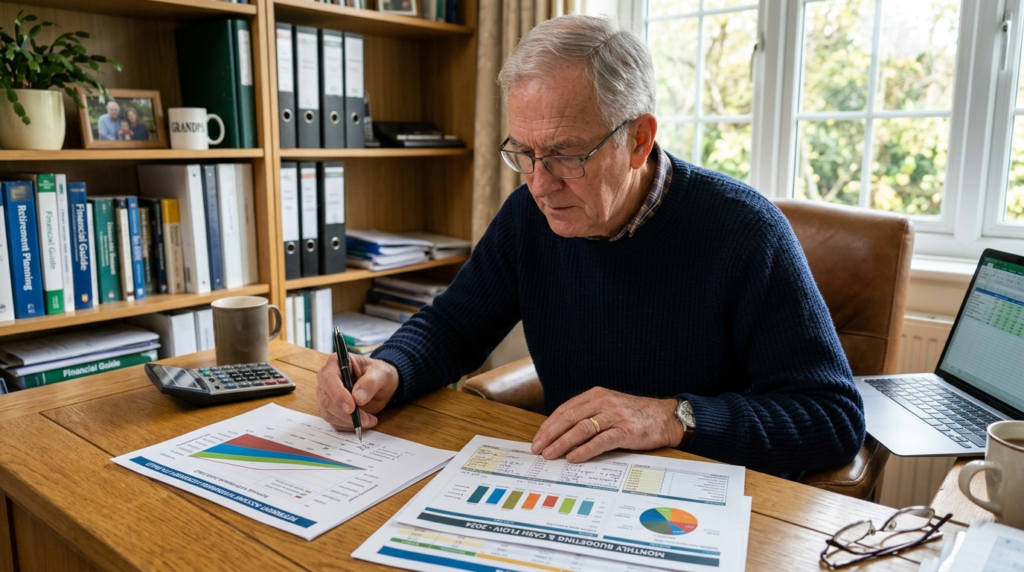
Pension taxation kinda depends on where you live, what kind of pension it actually is, and if contributions were taxed before or not. A few retirees end up noticing that the federal and state tax treatment can be wildly different depending on the location, not in a small way, but more significantly, across different places.
Use Roth Accounts Strategically

Qualified withdrawals from Roth IRA accounts are generally tax-free under current U.S. tax rules, so some people just draw from them without a bill later. Some retirees use Roth conversions earlier in retirement to potentially reduce future taxable income.
Delay Social Security When Appropriate
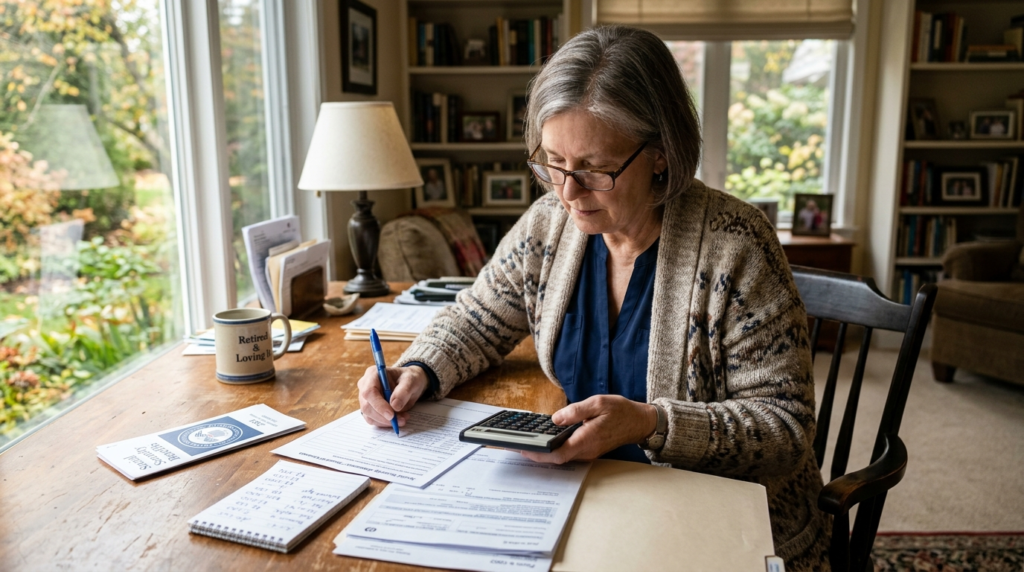
For some retirees, waiting to take Social Security benefits might help lower short-term taxable income while also raising later monthly benefit amounts. The whole timing thing usually rests on an overall retirement income plan and how things line up year to year.
Watch Required Minimum Distribution Rules

Required Minimum Distributions (RMDs) from retirement accounts can increase taxable income later in retirement. Planning may help retirees prepare for future withdrawal requirements more effectively.
Consider Qualified Charitable Distributions

Sometimes, eligible retirees can give directly from some retirement accounts to qualified charities, and that may help reduce their taxable income, depending on the IRS rules.
Keep Track of Healthcare-Related Deductions
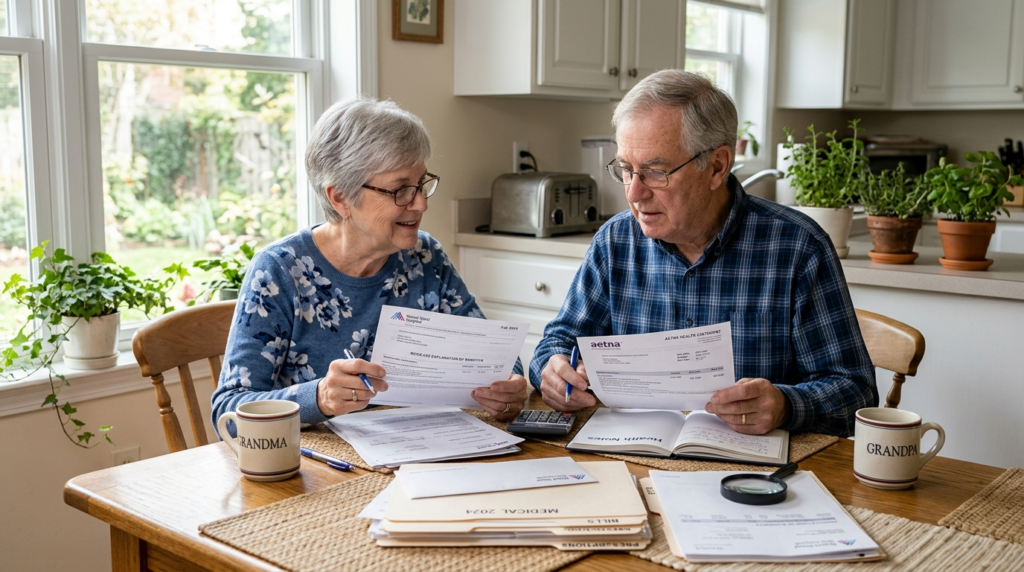
Medical expenses, long-term care costs, and healthcare premiums may qualify for certain deductions depending on income levels and tax situations. Organized recordkeeping often becomes especially important during retirement.
Work With a Retirement Tax Professional

Retirement taxes can get kinda complex when your pensions, Social Security, investments, and retirement accounts all overlap at once. Getting professional guidance might help retirees figure out strategies that match up with current tax laws, and also with their longer-term financial goals.
