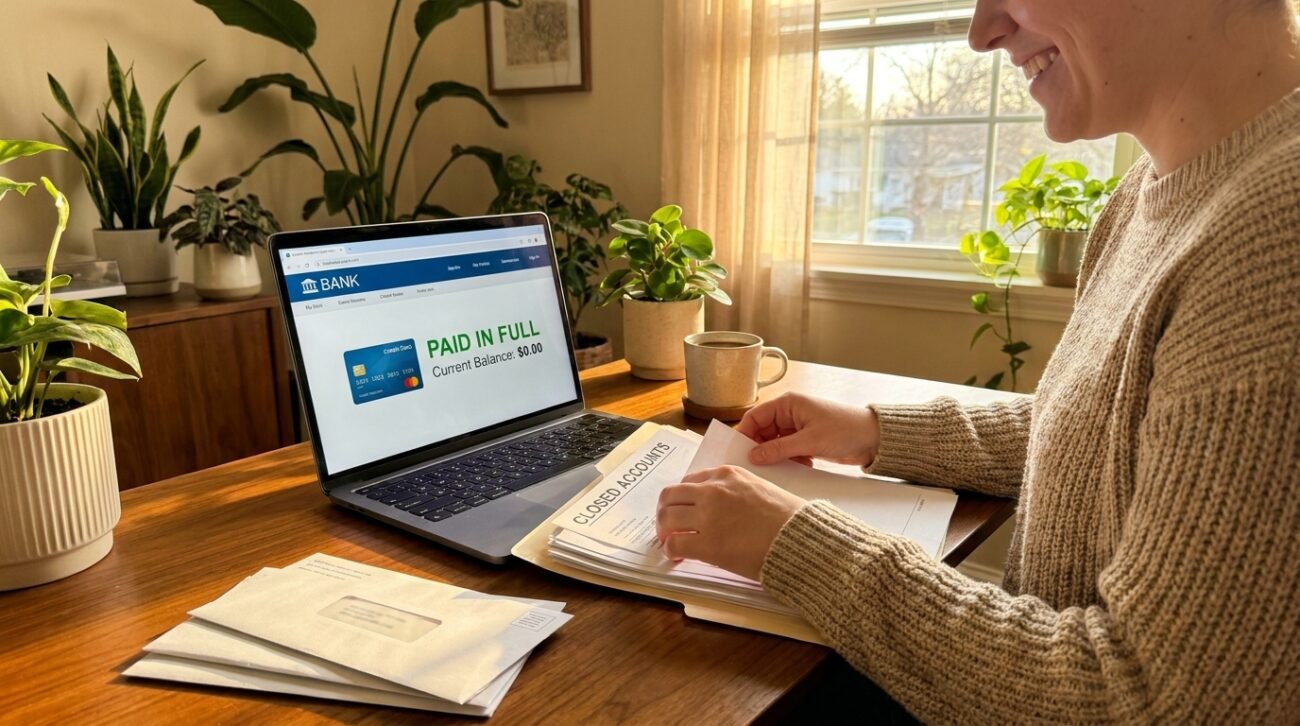
When you close a credit card account, it doesn’t necessarily mean you will no longer be obliged to pay off your debt. In many instances, cardholders could still have outstanding debt on a closed account and be liable to pay off the balance until it is paid. It can be confusing, particularly when there are changes in online access or when you don’t receive statements anymore. Knowing the details of closed accounts can help borrowers stay on course, prevent penalties, and maintain a good credit history.
Confirm the Account Balance
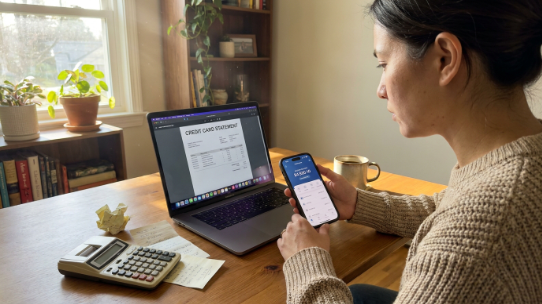
The first step is to know just how much is left to pay. Interest charges, fees, or pending transactions can impact the final amount even after an account is closed. You can confirm the amount due by checking your recent statements or calling the card company.
Contact the Card Issuer

If online access to the account is not available, contact the credit card company directly. Customer service representatives can discuss payment methods, offer account information, and answer questions about the remaining balance.
Continue Making Scheduled Payments
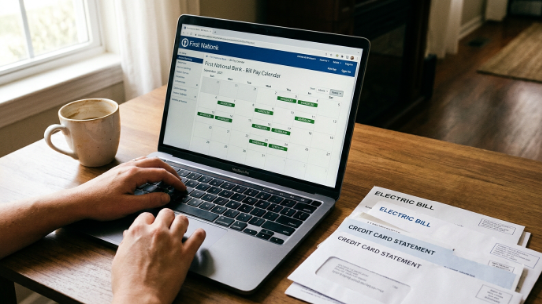
If a closed account has a balance, then you will still be required to pay that balance. If you miss payments, you’ll incur late fees, collection charges, and a negative impact on your credit.
Check Whether Automatic Payments Are Active
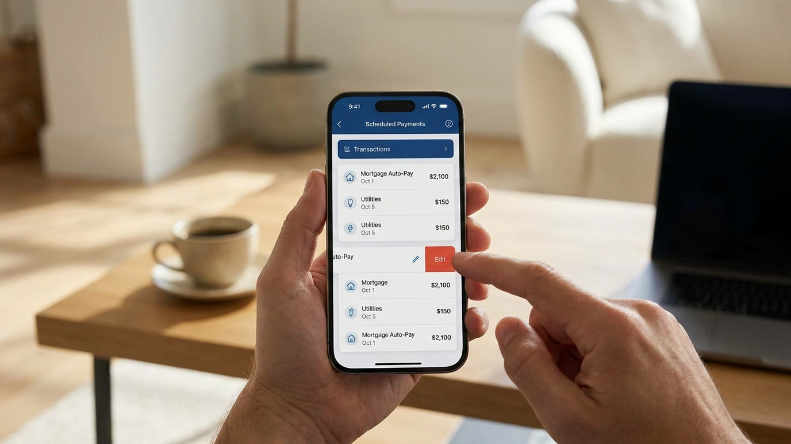
Some borrowers had their payments automatically scheduled before closure. Check if those arrangements are still working as intended, and don’t let payments go astray.
Use the Issuer’s Approved Payment Methods
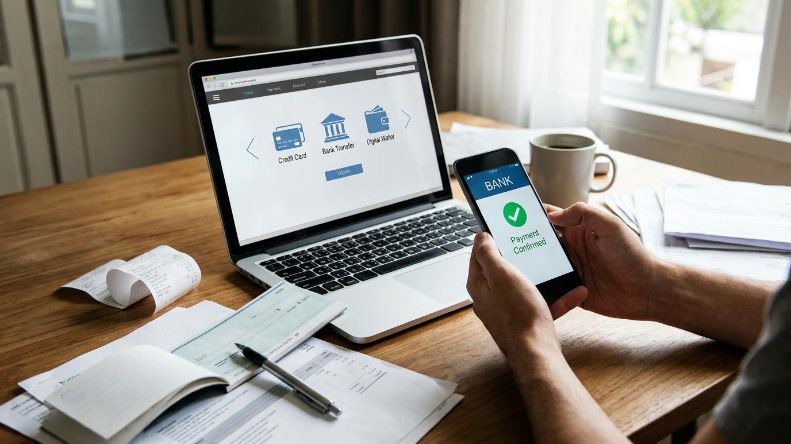
A majority of lenders still accept payments by online transfer, mailed check, bank bill-pay, or phone. Appropriate payment methods will help ensure that funds are credited appropriately.
Monitor Interest and Fees
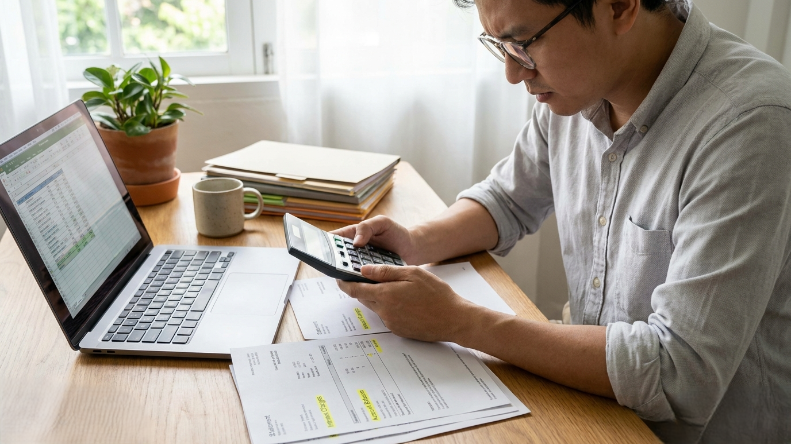
Interest can keep accumulating on unpaid balances after account closure, depending on the terms of the account. Regularly checking statements may help to monitor the amount deposited and the speed at which the balance is falling.
Consider Paying More Than the Minimum
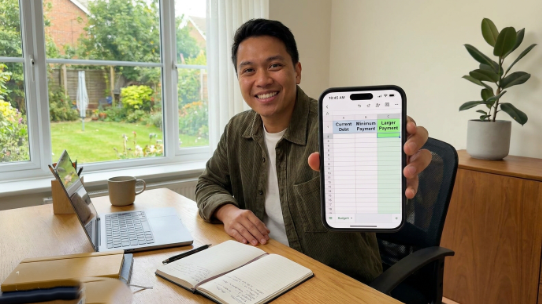
Making larger payments can reduce interest costs and shorten the time needed to eliminate the debt. Even modest extra payments can make a noticeable difference over time.
Keep Records of Every Payment
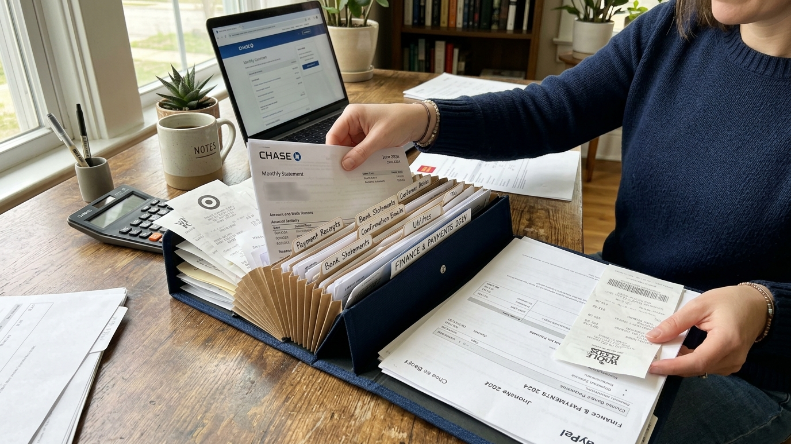
Keep payment receipts, bank statements, and bank records until the balance is cleared. If you have questions about payment history or account status, documentation may come in handy.
Verify When the Balance Is Fully Paid

After finishing the last payment, it might be best to confirm with the issuer that the account balance is zero, and also that no further charges are still outstanding.
Check Your Credit Report

After paying off the debt, check your credit reports to make sure they’re being reported correctly. Closed accounts that are paid as agreed will stay on your credit report and may continue to work in your favor for many years.
