The majority of our everyday cleanliness practices stem from traditional folk wisdom and past marketing strategies instead of established scientific knowledge. The body requires certain defenses to function properly but most people should not follow these established health rules because they pose risks to their health. The actual facts about these myths will help you spend less time and money while preventing skin problems.
You Need to Shower Every Single Day

The common belief that everyone needs to shower every day is incorrect because not all people require daily showers for their biological needs. The excess washing of skin results in the removal of crucial oil and beneficial bacteria which serve as protective barriers against disease. Dermatologists recommend that people should shower every second day except when they have just finished an intense workout or have been working in a dirty environment.
Hotter Water Kills More Germs
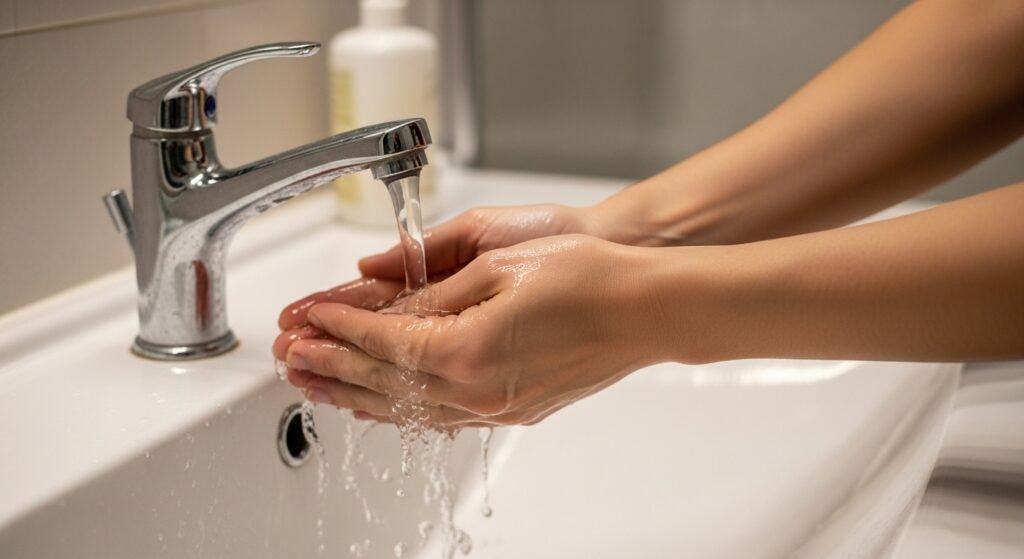
Water needs to reach boiling point to achieve bacteria elimination through heat but this process creates extreme burns. The combination of warm water with soap works effectively because the soap removes dirt and germs from your skin which can then be washed away. The use of scalding hot water results in skin damage which leads to skin drying out and developing a red appearance.
The “Five-Second Rule” for Dropped Food
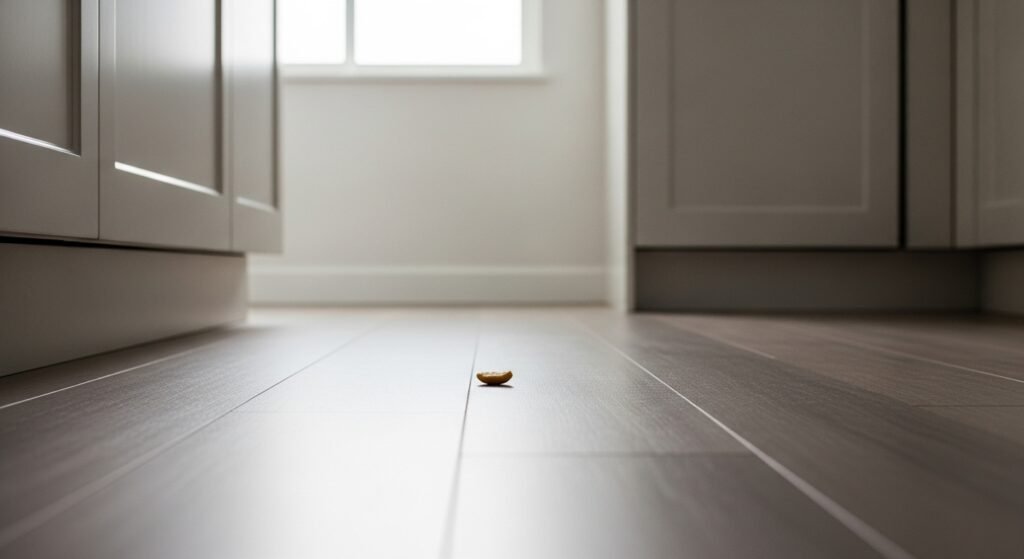
Bacteria begin to transfer onto your food within an instant after it hits the ground. The moment food contacts the ground contamination begins to take place. The five-second rule shows no scientific basis according to microbiology because it depends on both food moisture levels and surface types which include carpet and tile.
Hand Sanitizer is Better Than Soap
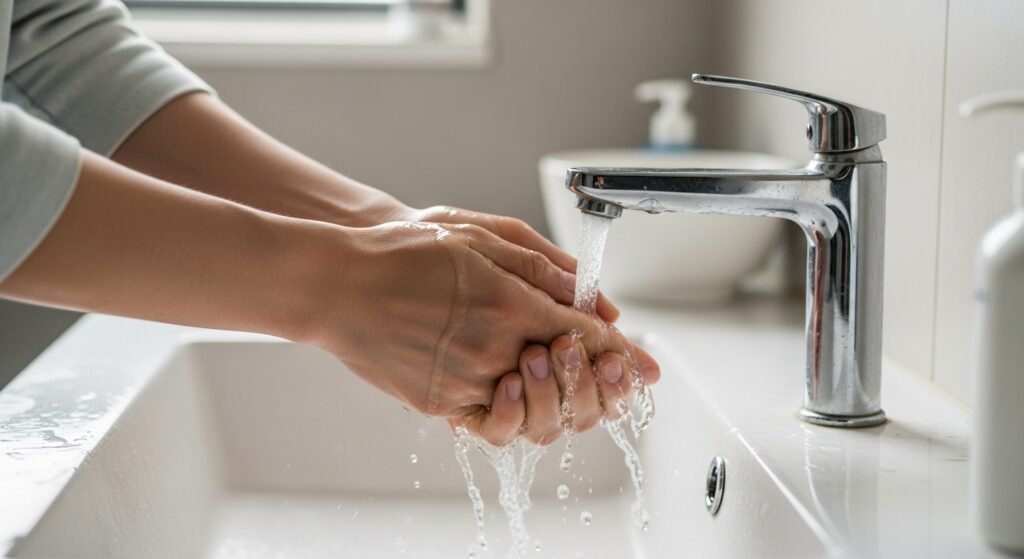
Hand sanitizer serves as an effective emergency solution for hand cleaning when you lack access to water yet it cannot substitute for traditional hand washing methods. The sanitizer does not eliminate all forms of contamination including dirt and grease along with some highly resistant viruses. Soap combined with water provides better cleaning power because it breaks down germs which gets washed away through the draining process.
You Should Use a Q-tip to Clean Your Ears
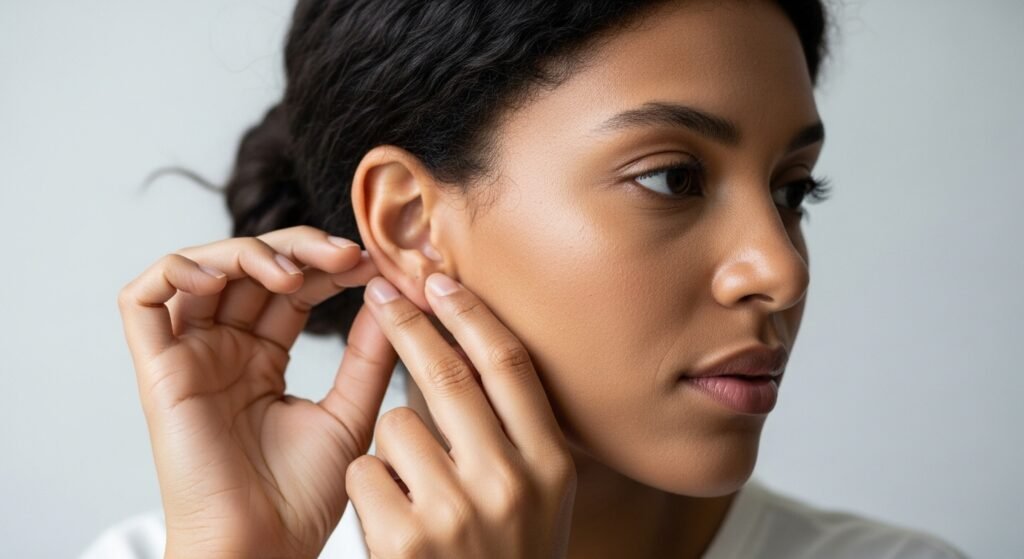
The ear has a natural mechanism that enables it to cleanse itself. Earwax serves as a protective shield which prevents dust from entering the eardrum while blocking out harmful bacteria. The use of a cotton swab results in pushing the wax deeper into the ear canal which causes wax blockage and ear infections and potential eardrum rupture.
You Need to Wash Your Hair Every Day

Daily hair washing results in excess oil production by the scalp because it removes the natural oils from the hair. The majority of hair types benefit from washing 2-3 times weekly because this schedule allows natural oils to hydrate hair while keeping scalp health balanced.
Anti-Bacterial Soap is Necessary for Home Use
Research shows that plain soap works just as well as anti-bacterial soap for regular cleaning tasks. The excessive use of anti-bacterial chemicals such as triclosan creates an environment for “superbugs” to develop while also disrupting human hormonal functions.
A “Squeaky Clean” Feeling is Good
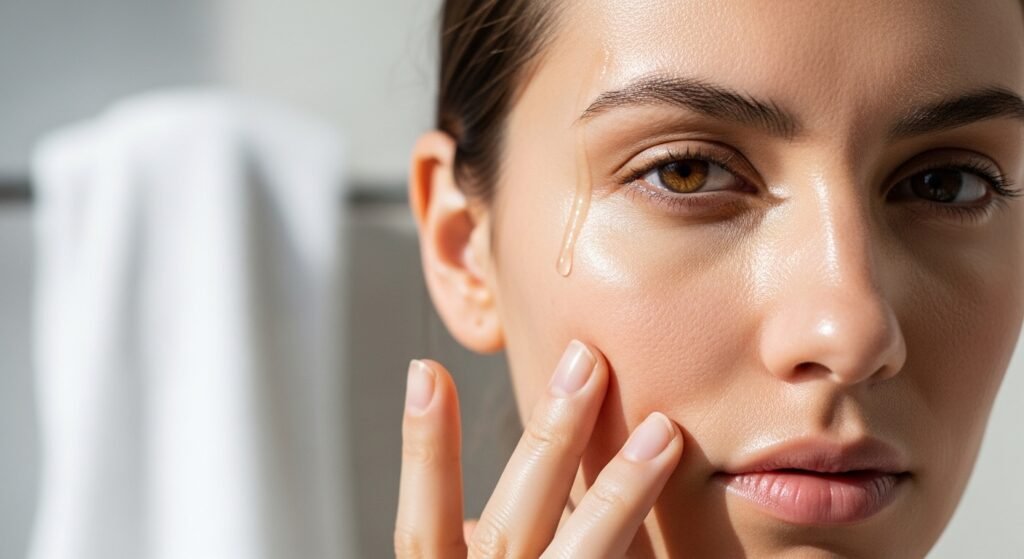
The skin will feel tight and squeaky after washing if you used too much product. The sensation indicates that you completely removed all of the skin’s acid mantle which serves as the primary defense against bacteria and viruses.
Toilet Paper is Enough for “Total” Cleanliness
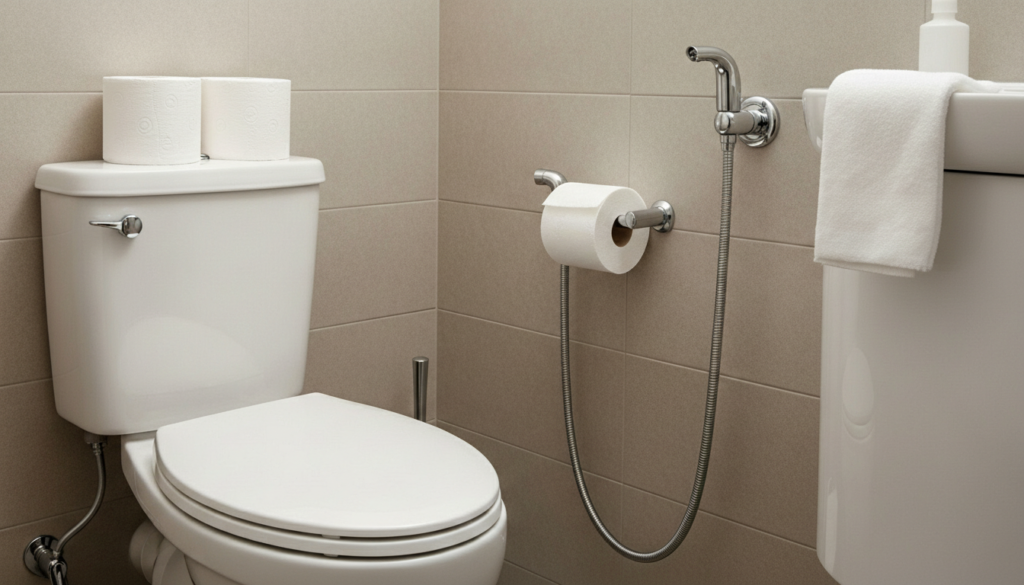
The use of dry paper alone does not guarantee proper cleaning results since it leads to skin irritation. Water systems such as bidets provide better cleaning power for various cultures worldwide because they clean bacteria without creating micro-tears on the skin.
Mouthwash Can Replace Flossing
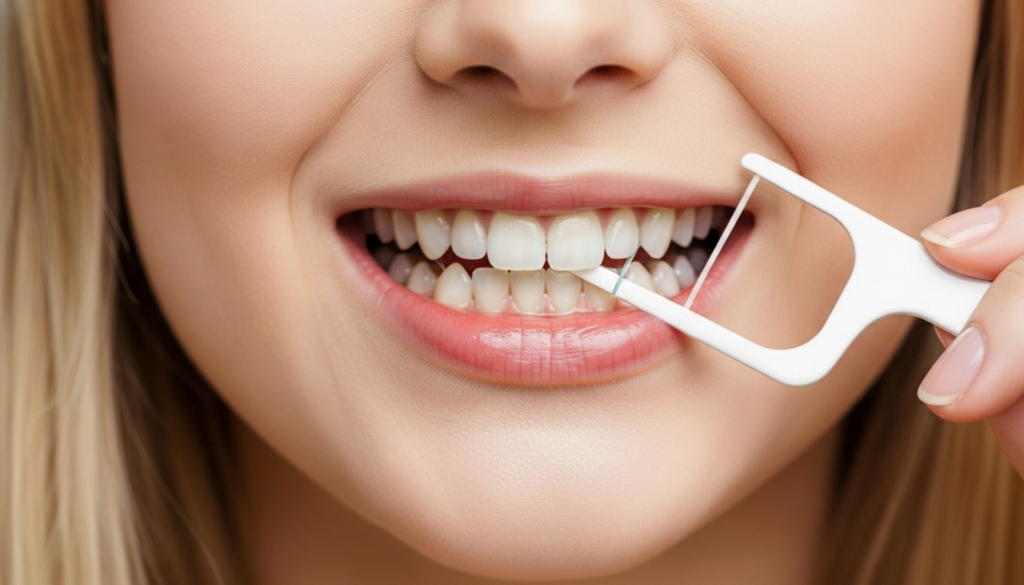
The mouthwash will freshen your breath with a minty scent yet it lacks the ability to remove plaque and food particles that get trapped between your teeth. Flossing represents the sole method for manually removing particles that cause dental cavities and gum disease while mouthwash serves as an extra layer for dental care.
