
Financial management is not only about big money expenses but it is often the minor and unseen expenses that silently work their way into and out of general financial productivity. These minute money leakages may become part of their routine and remain unnoticed slowly getting savings diminished. Although every detail might appear insignificant, all of them might have a great impact when they are left to build up. The positive side is that, most of such financial wastes can be sealed once they have been detected. The people can take small measures to seal these loopholes by observing their daily habits and spending patterns carefully. Those neglected expenses can be managed, which will result in better financial governance, better savings, and a stable financial future.
Lapsed or Abandoned Subscriptions

Most of the individuals register on free trials or monthly services only to forget about them. These repeated fees accumulate over time. Since most subscriptions are not used, it is possible to save money immediately by examining them and canceling those that are not in use.
Daily Small Purchases

Not paying much attention to the money spent on small things, such as snacks, drinks, or some other convenience purchases, these expenses add up during weeks and months. Awareness of such habits can result in savings which are apparent.
Hidden Bank and Service Fees

Other fees like ATM withdrawal fees, account maintenance fees or penalties of late payment are usually not noticed. Periodic review of the statements is often used to determine the unnecessary expenses and remove them.
Impulse Buying Habits

Shopping through the internet has simplified the process of making impulse buying. Limited time offers and discounts may promote unnecessary spending. Wastes of money can be avoided by taking time to consider purchases.
Energy and Utility Waste
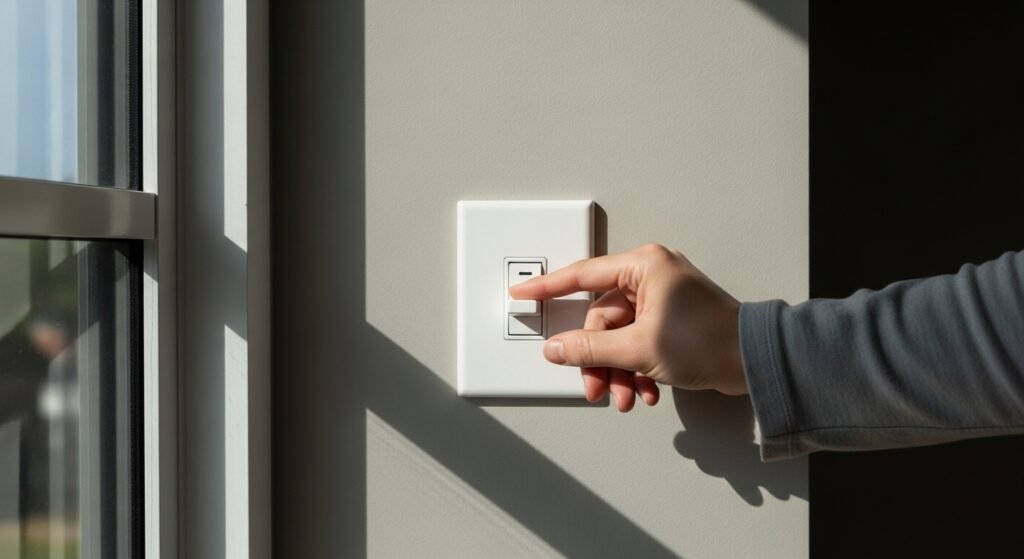
Unnecessary light, appliance, or other electronic device use may raise utilities. There are simple measures that can be taken to minimize monthly expenses such as switching devices that are not in use off.
Food Waste and Poor Planning

This results in wastage of food as one buys more groceries than he wants or fails to plan meals. This does not only lead to waste of money, but also slows down efficiency in management of household costs.
Overpaying for Convenience

Extra costs on delivery services, express shipping, or high quality can soon add to expenses. To contain costs, one can select the standard or less expensive alternatives.
Failure to Compare Prices before a Purchase

Buying things without reviewing alternative choices may result in excess spending. It is also easy to compare prices online or in stores and find better deals and savings.
Neglecting to use Discounts and Cashback Opportunities

Not using the discounts, loyalty programs, or cashback offers that are available is being denied the opportunity to save a potential amount of money. By knowing about this advantage it will cost less to do so.
Lack of Expense Tracking
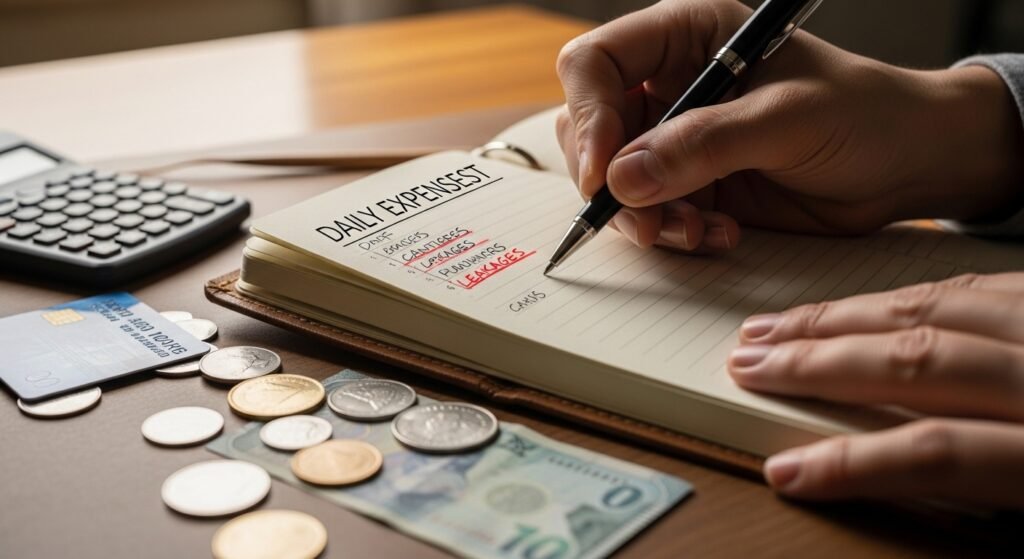
In absence of monitoring the flow of money, it becomes hard to establish money leakages. A simple record of expenses is useful in making people realize their spending pattern and make a better decision.
