
All businesses begin with big ideas, but not all grow at the same pace. It’s not always about the market or the product; often, it comes down to financial habits that quietly shape decisions over time. What may seem like caution can actually slow progress. Recognizing this common pitfall helps businesses think beyond short-term comfort and support steady, long-term growth.
Focusing Only on Saving, Not Investing

It is safe to keep the costs low, particularly at the initial stages. However, when saving is the sole thing that matters, chances of growth are ignored. The strategic investments in tools, people, or marketing can frequently result in the creation of avenues that cannot be matched by simple cost-cutting.
Avoiding Calculated Risks

All the growth phases are related to the decisions that contain a certain degree of uncertainty. Being too safe may inhibit development. Considered, well-researched risks can be openings of fresh markets, superior systems, and superior positioning in the long term.
Underpricing Products or Services

Pricing below the market can be effective in grabbing attention in the short term, but it can affect the long-term sustainability. It tends to lower margins and provide less opportunity to reinvest. An equitable pricing strategy helps sustain both the value impressions and long-term financial health.
Delaying Hiring and Delegation

It may be tempting to handle it all by yourself, and this may be effective, but it may slow down the operations. The right people at the right time would facilitate distributing the workload and would create room to concentrate on growth-oriented activities.
Ignoring Cash Flow Planning

Revenue alone doesn’t tell the full story. Without proper cash flow management, businesses can face challenges even during busy periods. Planning helps maintain stability and prepare for future expenses.
Skipping Professional Financial Advice

Managing money alone is feasible at the beginning, but things get complicated as it grows. Professional advice can provide a structure, clarity, and insights to assist in the better decision-making process and help to avoid common financial traps.
Overlooking Marketing Spend

Marketing is not considered a necessity but an option. Even powerful offerings can have a hard time reaching the correct audience without regular visibility. A well-planned marketing budget supports consistent and sustainable growth.
Mixing Personal and Business Finances
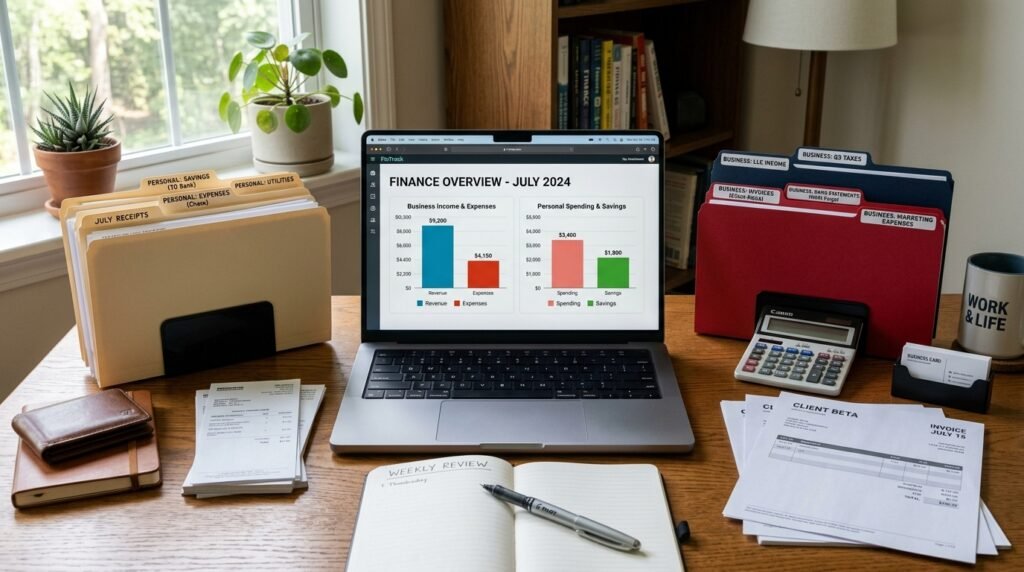
Blending personal and business finances can create confusion over time. Strong distinction between personal and business costs facilitates easier tracking and gives a more precise picture of performance and profitability.
