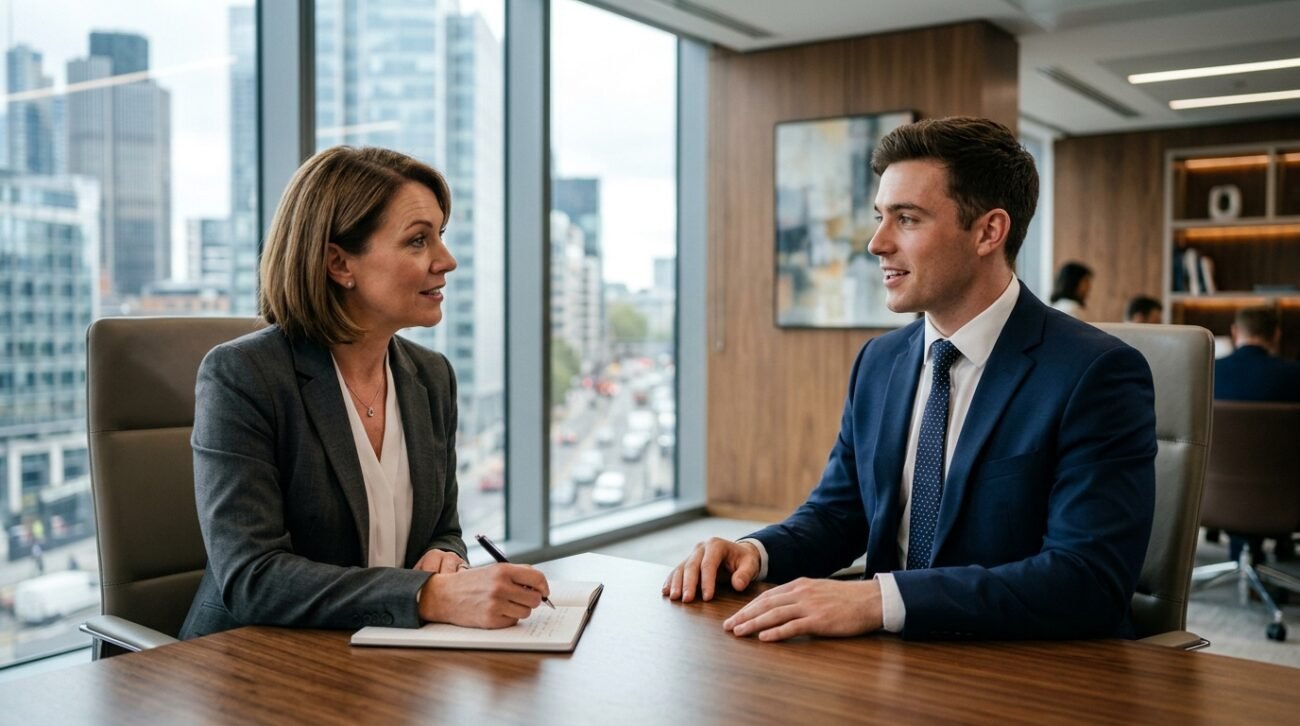
The hiring process uses multiple assessment methods that extend beyond the evaluation of a candidate’s qualifications. The hiring process evaluation of candidates depends on their communication style, preparation methods, body language, and professional conduct. Candidates who show strong abilities tend to make minor errors, which create a less favorable impression than they wanted to achieve. Candidates need to understand these errors because they want to improve their interview performance through better knowledge and self-assurance.
Arriving Late Without Communication

Punctuality functions as a primary factor that determines how people perceive others during their initial encounter. The act of arriving late to an interview without prior notice will create an impression of insufficient time management skills and inadequate interview preparation.
Researching Too Little About the Company

Interviewers usually expect candidates to understand basic information about the company and the role. Limited knowledge about the organization may make a candidate appear less interested or unprepared.
Speaking Negatively About Previous Employers
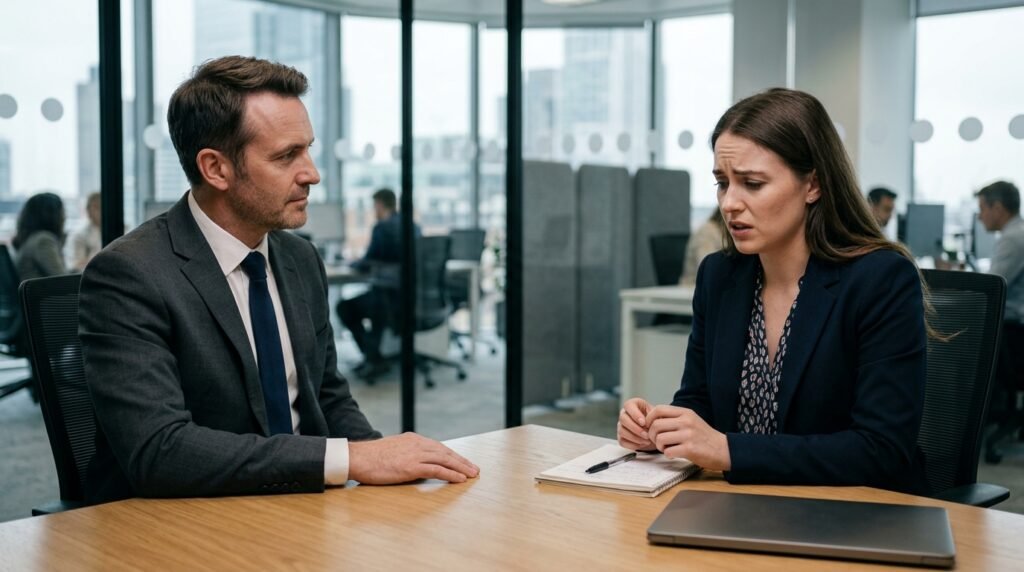
Career experts recommend maintaining professional discussions about previous employers. People who show excessive negative criticism will create doubts about their ability to communicate effectively and their professional conduct.
Giving Overly Short or Vague Answers
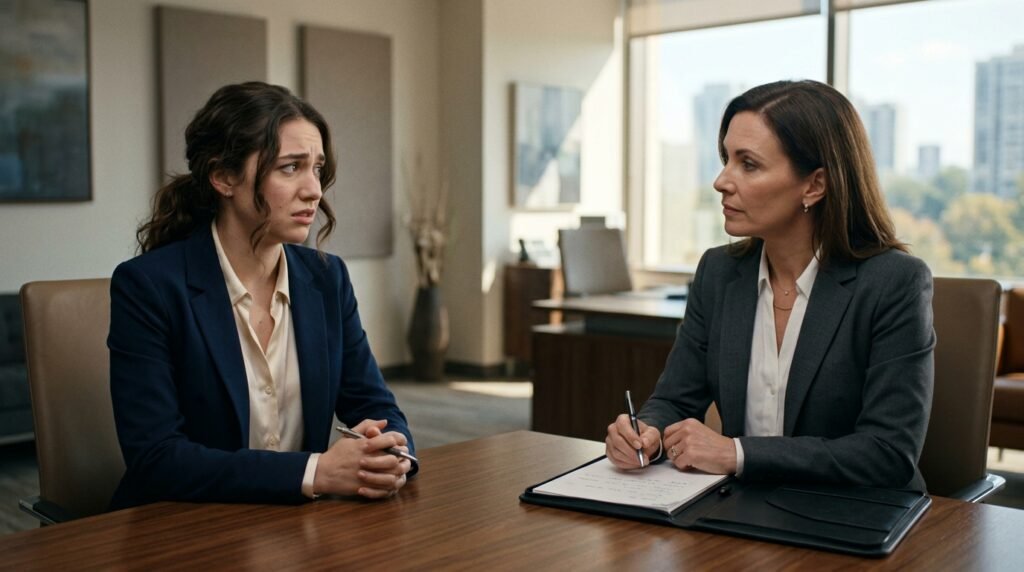
Candidates who give short answers to questions demonstrate their lack of interview preparation, which creates an impression of their uninterest in the interview. Interviewers need both clear examples and deep explanations to assess a candidate’s abilities and work experience.
Interrupting the Interviewer Frequently
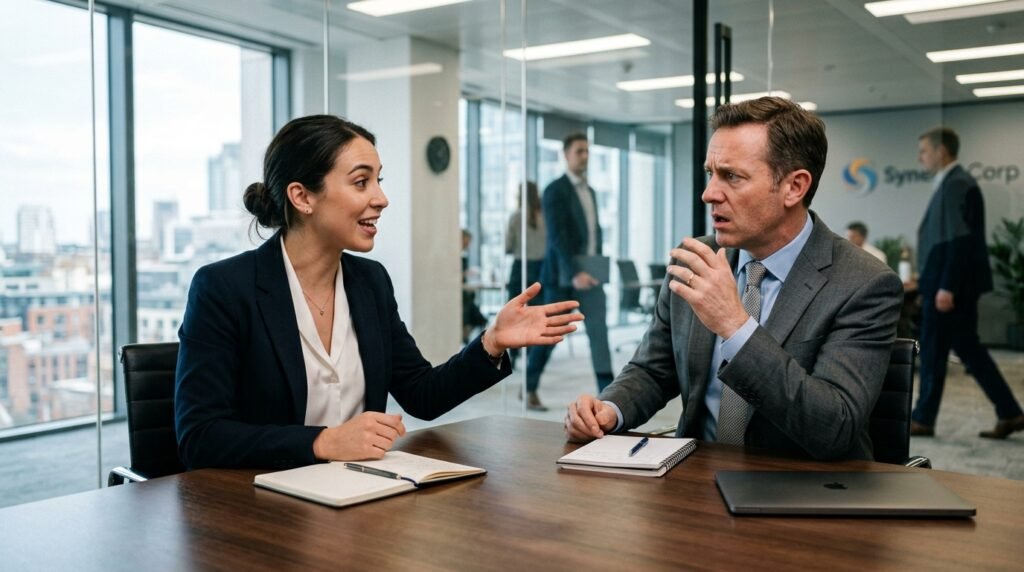
Effective communication requires people to practice both speaking and listening skills. The interview process becomes disrupted when candidates face multiple interruptions, which lead to a more hurried and less collaborative conversation style.
Ignoring Body Language and Eye Contact
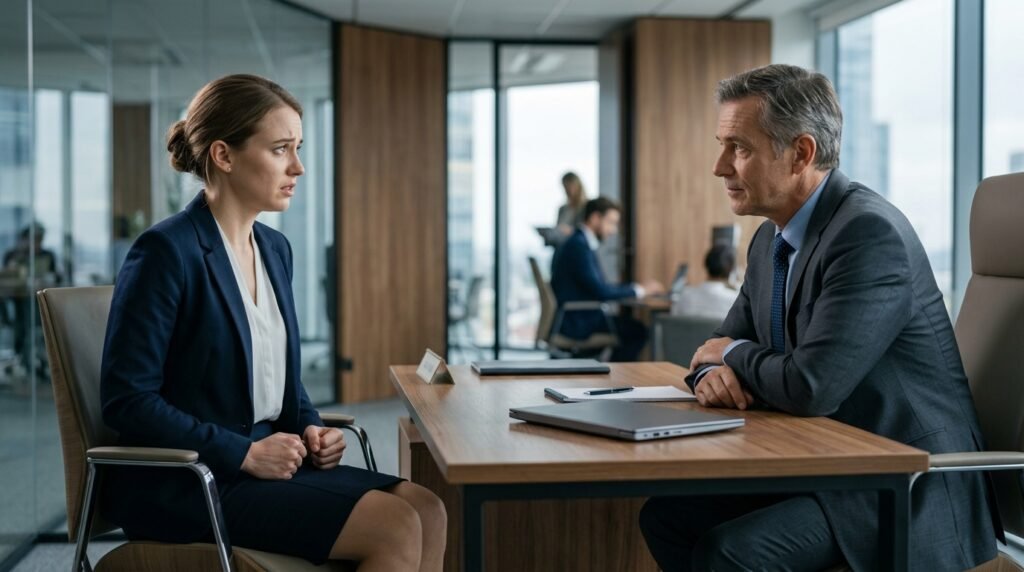
Body language, posture, facial expressions, and eye contact all influence professional impressions. Nervous movements or lack of engagement can affect how confident and interested a candidate appears during the interview.
Dressing Inappropriately for the Setting
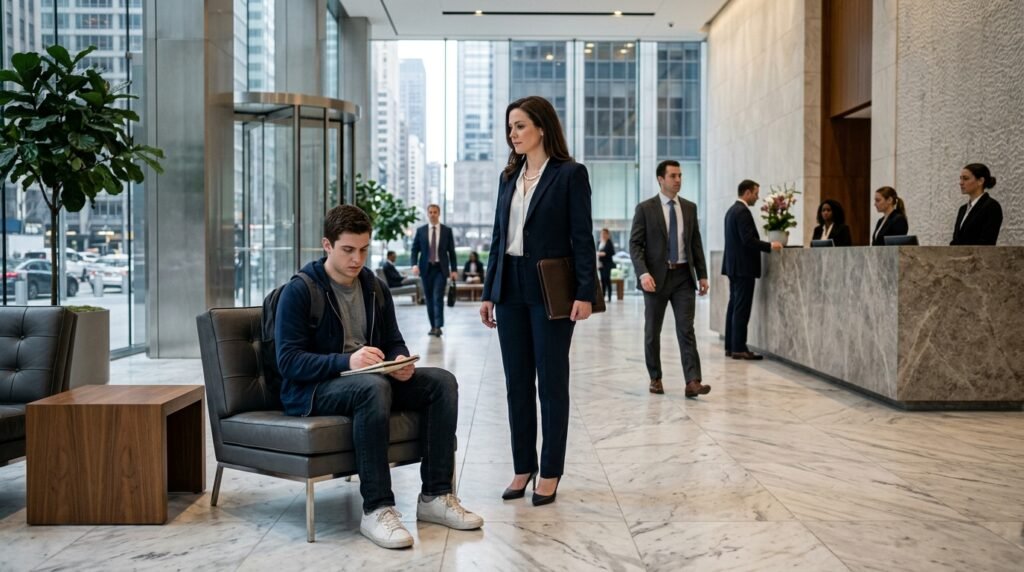
Appropriate attire often depends on the industry and workplace culture. But, if too much attire or too little dress attention would somehow affect professionalism in a workplace. To maintain a professional image, avoid wearing jeans, t-shirts, worn-out sneakers, or extremely flashy, distracting clothing.
Forgetting To Ask Questions at the End
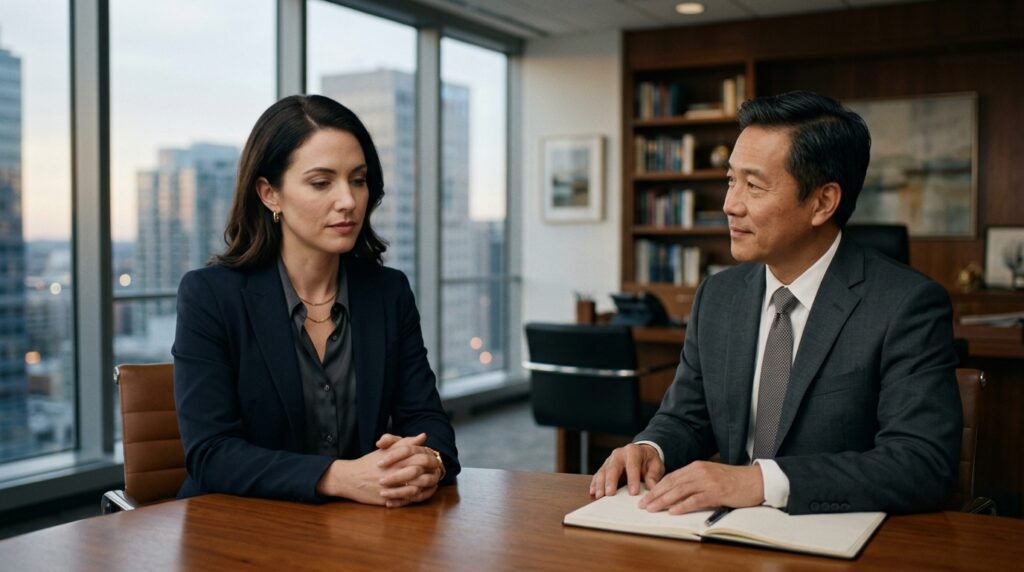
Interviews are often viewed as two-way conversations. A candidate who asks intelligent questions about the position, team, and organizational culture will show his or her true interest in the job.
