
Money advice oscillates around two extremes: either do not go into debt by all means or spend all the spare rupees or dollars that you have. Financial pundits believe there is no real answer but rather in the middle. It is not an issue of getting rid of any kind of debt or savings but a matter of balancing it, strategy and timing. Everything in the current era of increasing interest rates, easy access to credit and uncertain markets, both prudently handled, is of more value than ever. As opposed to viewing debt as wicked and savings as all, its experts recommend that it can be viewed through the lens of the two working jointly to create stability and financial liberation in the long-term.
Good Debt vs Bad Debt

Researchers have tended to draw a line between healthy and harmful borrowing. Loans which are used to develop assets such as a home loan, or an education loan may grow earning capacity over time.
The Emergency Rule

The majority of the financial planners advise the creation of an emergency fund to cater three to six months of expenditure before investing heavily.
Interest Rate Balance

Interest rate comparison is the major factor to determine whether to save or pay off debt. When you are in a debt with an interest charge that is higher than the interest rate you earn on your savings or investments, the expert will advise about providing priority to repayment.
The 50-30-20 Framework
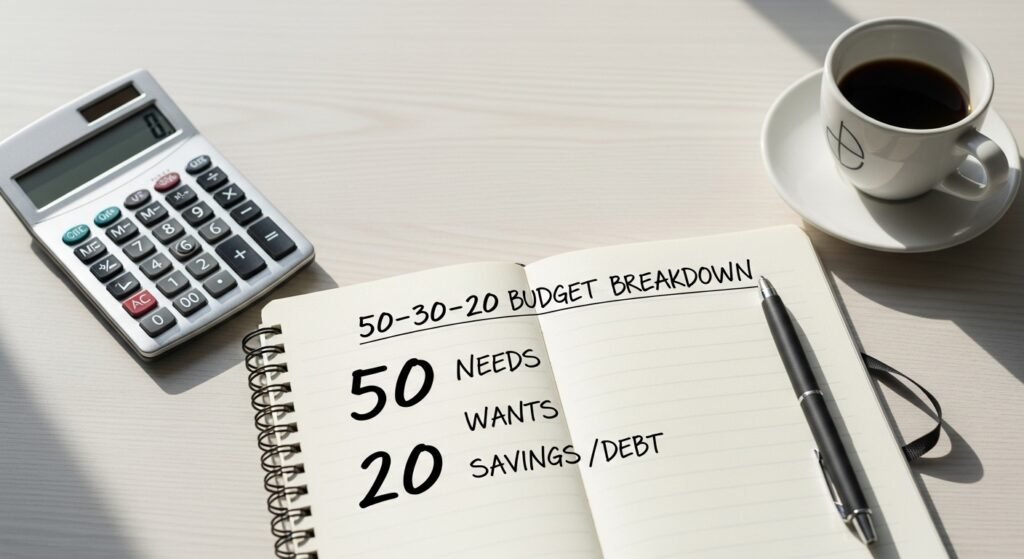
Lots of advisors mention the widely known budgeting idea by Elizabeth Warren, which is commonly known as the 50-30-20 rule. It recommends that income should be directed to needs at 50%/100,wants at 30/100 and the remaining 20/100 to savings and debt repayment as a whole in order to live a balanced life.
Credit Score Impact

Nobody should accuse you of having debt under control as that enhances your credit profile. The lenders love borrowers who are working well in repayments.
Savings as Security

Savings offer flexibility and contentment. Researchers emphasize that good savings ensure that financial problems can be eliminated and decision-making is performed better.
Debt-to-Income Ratio

Another ratio that is carefully followed by the financial institutions is the debt-to-income ratio. Professionals suggest that you should not spend more than 30-40 percent of your monthly earnings on debt repayments.
Investment While Repaying

In other instances, analysts suggest making investments as debt on low interest is being repaid gradually.
Psychological Comfort

Money judgment is not a hard-and-fast mathematical thing. Other individuals also manage to sleep much more easily when they realize that they are not in debt, although investing may be slightly more profitable.
Long-Term Goals Alignment

Finally, what constitutes the ideal combination varies based on objectives; purchasing a home, early retirement, starting a business or financing education.
