
Identity theft has become one of the fastest-growing financial threats in the digital world, and scammers increasingly target Social Security numbers to commit fraud. Criminals can use stolen SSNs to open credit accounts, steal tax refunds, apply for jobs, or even access government benefits. As data breaches continue rising, more Americans are turning to a lesser-known security tool called an “SSN lock” to help reduce the risk of identity theft and financial damage.
Extremely Valuable to Criminals
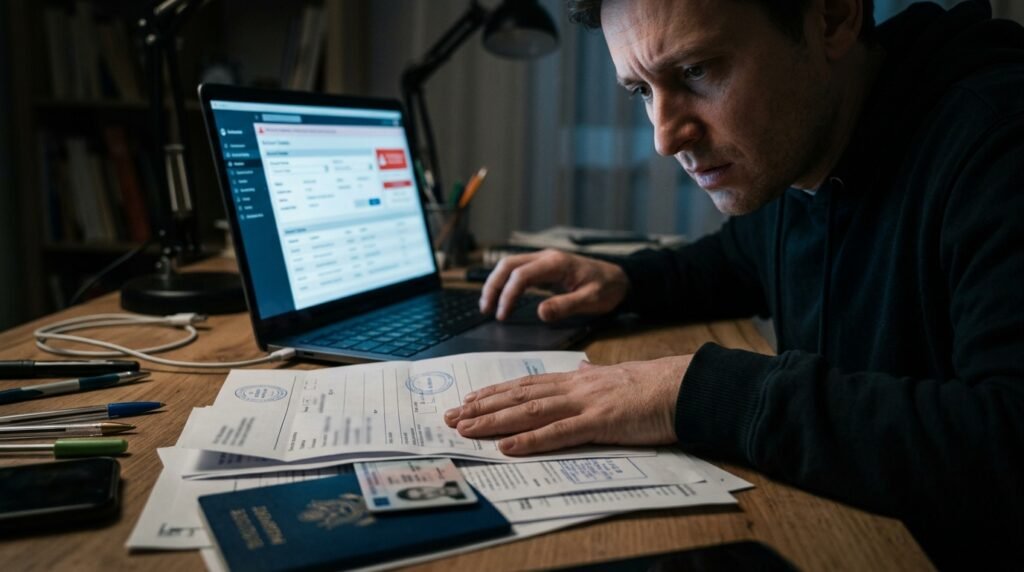
A stolen SSN can give scammers access to sensitive financial, tax, employment, and medical information, making it one of the most important pieces of personal data to protect.
Helps Prevent Employment Fraud

It would not be wrong to say that an SSN lock can stop criminals from using your Social Security number to fraudulently apply for jobs or government-related services in your name.
Free Self-Lock Tool

Americans can create a MyE-Verify account and activate a self-lock feature that temporarily blocks electronic verification of their Social Security number.
Credit Freezes Offer Additional Protection

Experts also recommend freezing credit reports with major credit bureaus to prevent scammers from opening loans or credit cards using stolen information.
Locking an SSN

While the protection can reduce certain risks, experts warn that it cannot fully prevent fraud involving taxes, banking, medical identity theft, or data breaches.
There’s One Major Downside to an SSN Lock

People who lock their Social Security numbers may need to temporarily unlock them later when applying for jobs, receiving benefits, or completing identity verification processes.
Monitoring Financial Activity Regularly
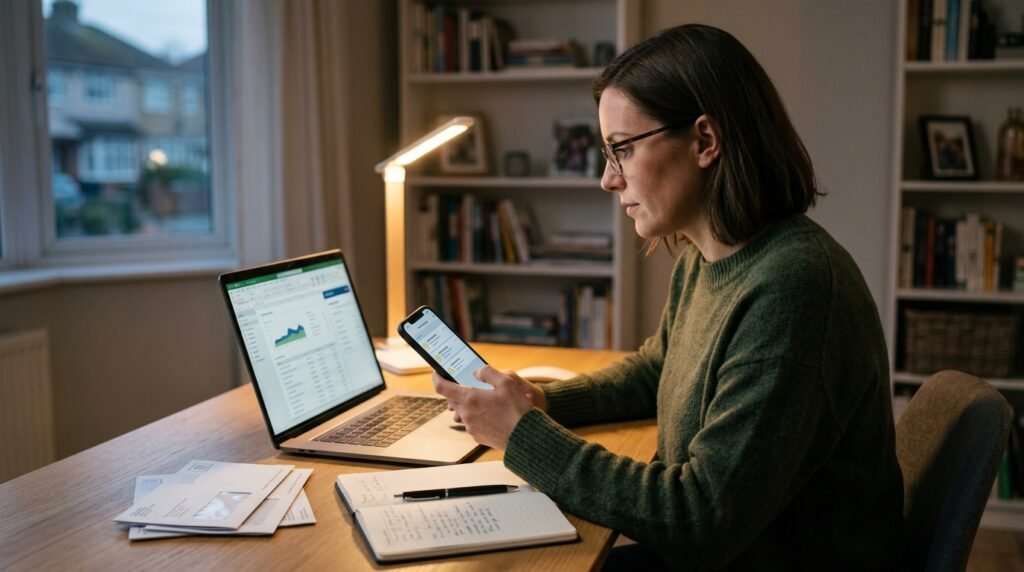
Besides locking up SSNs and freezing credit, experts tend to push people to keep an eye on bank accounts, review tax filings, and scan credit reports for odd behavior.
Start With Data Breaches

Cybersecurity experts say personal data that gets stolen in online breaches can later travel around on criminal marketplaces, kinda freely, and sooner or later, that ups the chances of fraud even years after it first happened.
Protect Your Identity

Financial experts often say that doing preventative things early, even when it feels a bit inconvenient, can help people dodge the long and really stressful path of trying to recover after identity theft shows up later.
Things to Consider
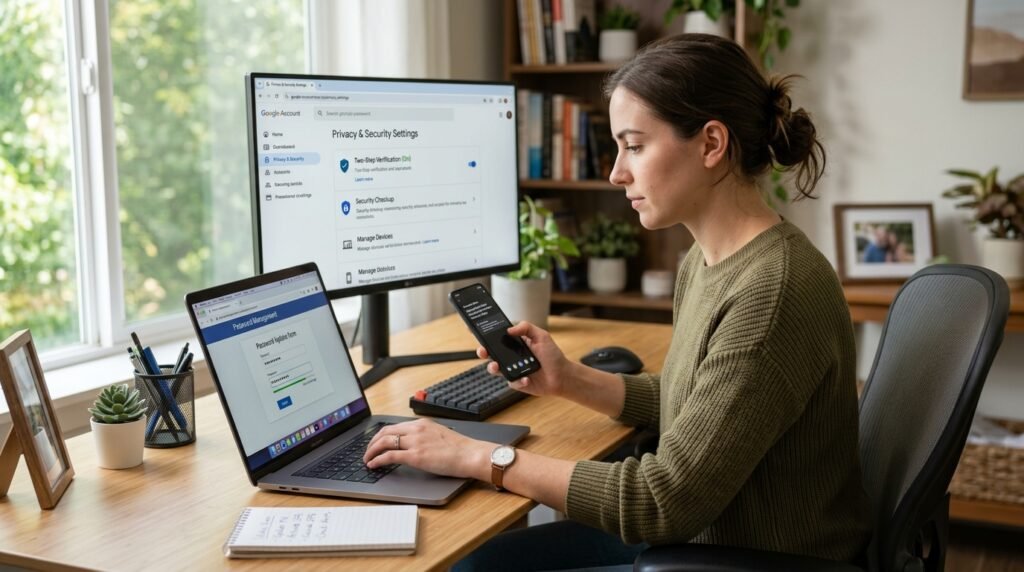
Locking your Social Security number and freezing your credit can add important layers of protection, but it still isn’t a full stop against identity theft, not really. Many experts say you should stack these tools with good password routines, careful watching of your financial accounts, and being cautious when you share personal details online, over text messages, or even when someone contacts you through unexpected phone calls.
