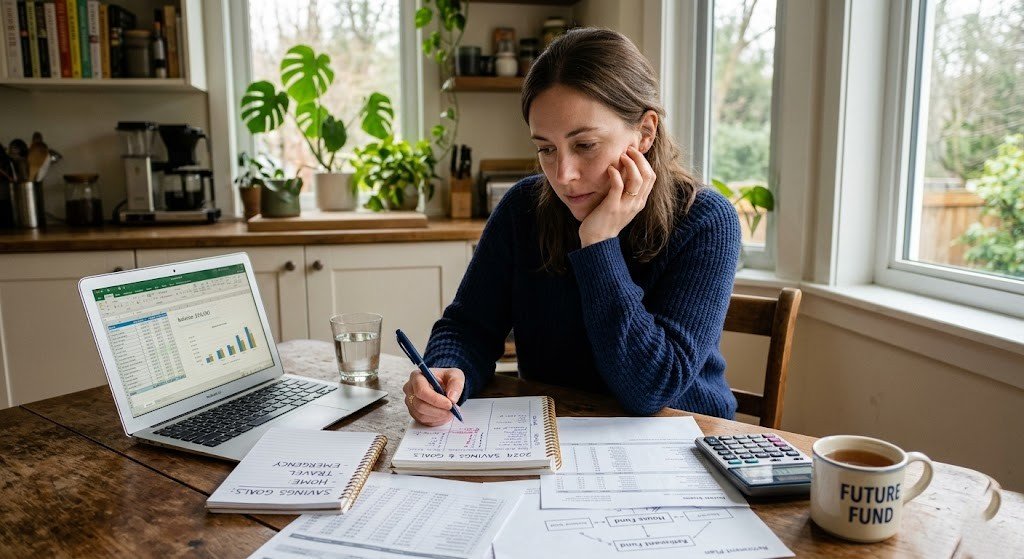
Saving money sounds easy on paper, but in real life, the little things get weirdly stubborn. Bills and small money patterns tend to make it harder than you’d think. Many people earn reasonable incomes yet still feel like their bank accounts never grow consistently. Most financial experts say the main issue usually isn’t one big mistake, more like a string of small behaviors that quietly pull the brakes on progress over time. Understanding these patterns can help people build healthier money routines without making extreme lifestyle changes.
Small Subscription Costs Add Up Quietly

Streaming platforms, app memberships, delivery services, and forgotten free trials can slowly eat up more money than most people expect. So take a moment to look at recurring payments fairly often, and cancel the services that stop giving steady value or that you don’t use on a daily basis.
Convenience Spending

Frequent food delivery, rideshares, impulse online purchases, and convenience shopping can quietly reduce monthly savings potential without feeling especially expensive individually. Instead of straight-up removing those little things completely, make a small weekly spending cap just for convenience stuff, like a kind of modest boundary you actually follow, even if you’re still using it now and then.
Lifestyle Inflation Grows With Income

As income increases, spending sometimes also creeps up through upgraded housing, dining, travel, or shopping habits. Lots of people just don’t really notice how fast the costs multiply right beside their earnings. Instead of fixing up every piece of your lifestyle at once, raise your savings contributions gradually whenever your paycheck grows, and keep it a bit steadier.
No Clear Savings Goal Exists

Saving money can feel a bit less motivating if there’s no clear purpose for it. When the goals are sort of vague, it can also make spending choices feel easier in the short run, you know. If you set up more focused savings categories, like for travel, an emergency fund, retirement, or even some future purchases, then progress starts to look more obvious, and that helps.
Emergency Expenses Keep Interrupting Progress
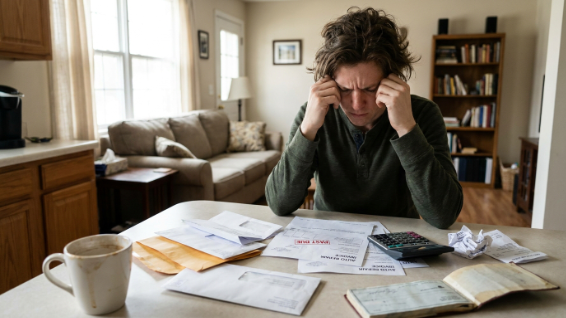
Unexpected car repairs, medical costs, or home troubles can keep messing up your savings rhythm over and over. It’s kind of hard to stay consistent when something comes up, again and again. Start with a smaller safety buffer first, like a mini emergency reserve, even if your contributions start small, maybe just a modest weekly amount.
Reduce Financial Flexibility

Interest charges on carried balances can absorb money that might otherwise go toward savings or investments over time. Focus on reducing high-interest balances gradually while avoiding unnecessary new debt whenever possible.
Saving Happens Last Instead of First

Many people save only whatever remains after spending each month, which often leaves little consistency when expenses fluctuate unexpectedly. Try automating the money transfer a bit after your income shows up, so the saving part is baked into the usual routine instead of being that late, almost afterthought thing.
Financial Tracking Feels Too Inconsistent

Without regular awareness of spending patterns, small leaks become harder to identify. Many people underestimate how much goes toward nonessential purchases monthly. Track spending for even one month to identify patterns without immediately judging or restricting every expense.
