
A lot of candidates think that a good CV will get their attention from employers. However, the most common hiring red flags will come when the hiring goes into the interview itself, according to a CEO who has interviewed hundreds of applicants. Through years of developing firms and hiring people that he knew would turn out to be a bad fit, he came to recognize three signs that he could identify at the time of hiring that would eventually lead to trouble. The surprising part? Very few candidates are aware of these signals that they give during the conversation.
Creates an Immediate Negative Impression

Hiring managers may be concerned if you are a little late. Lateness can reflect a lack of preparation, poor planning, or a lack of respect for others’ time, according to the CEO.
Employees Create a Wrong Sense of Security

Interview behavior is seen as a prediction of future behavior. When a candidate is unable to consistently meet deadlines during the hiring process, employers might be concerned about missing deadlines and communication during the employment process.
Smooth Talking Isn’t Enough Anymore
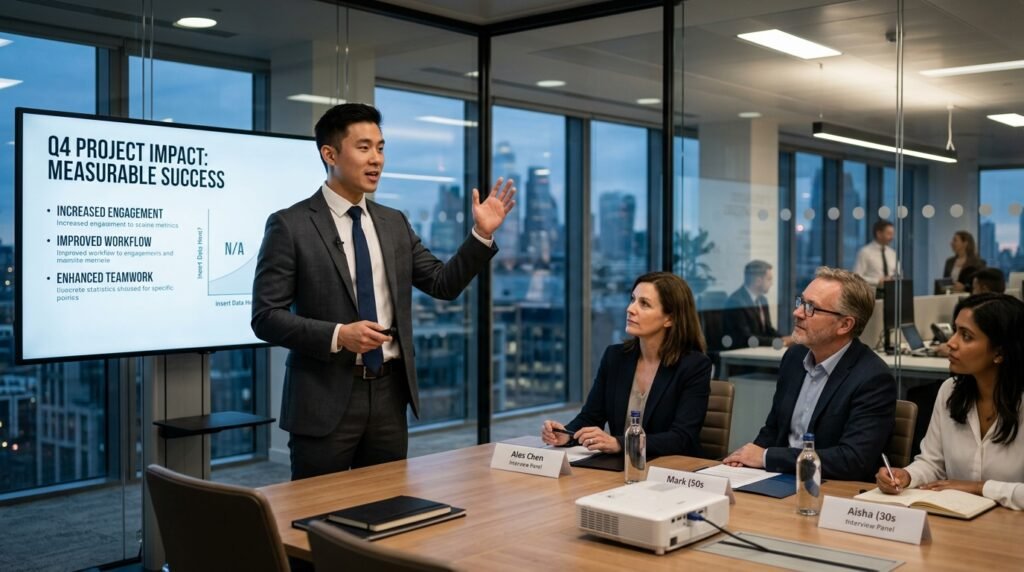
Pupils sound well spoken and confident, but do not give concrete examples to support their claims. Employers are now keenly interested in evidence of achievement over corporate-speak.
Generic Answers Can Be a Major Warning Sign
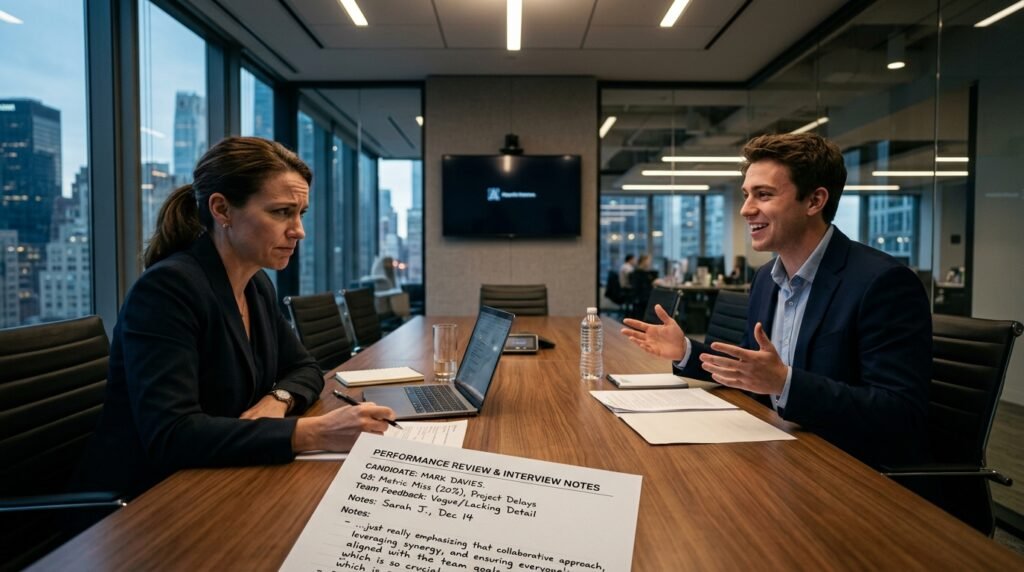
There is little meaning to buzzwords such as “team player” or “hard worker” unless backed up by proof. Employers seek details about specific stories, measurable results, and examples of the candidate’s problem-solving.
AI Has Changed How Interviews Are Evaluated
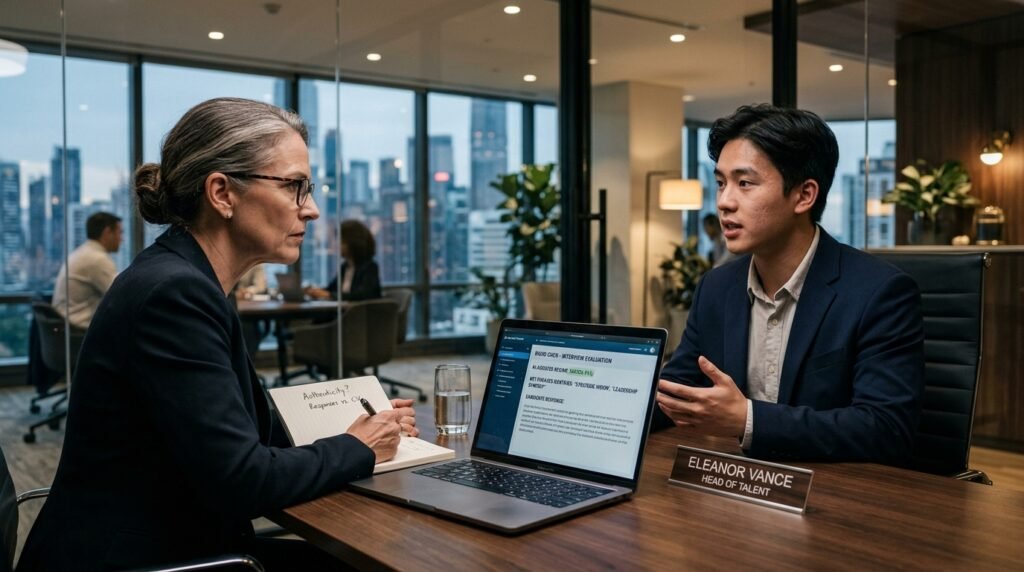
Interviewers are now being more mindful of how they are scoring on authenticity, since AI-generated polish and grammar help is making it easier to write a perfect response. Perfect responses are not as important as personal experience and specific examples.
Energy Levels Say More Than People Realize

Enthusiasm and engagement were among the strongest factors that indicate success for the future, the CEO said. Applicants who seem off-task and unengaged during the interview process might have even more difficulty once they are employed.
Personality Matters in High-Pressure Roles
When you’re working at a quick pace or with clients, communicating properly and having the right attitude are essential. Employers would rather have someone who is “emotionally involved” than someone who “knows his stuff but isn’t emotionally there.
Interviews Are About More Than Skills

The most important part that I took away was that interviewing enabled employers to visualize how they would interact with the person they would be working with on a daily basis. Companies not only look at qualifications but also rely on reliability, attitude, communication, and presence.
