
Not testing your startup idea first can result in wasted time, money, and effort. A lot of successful businesses spend weeks or months testing the demand before they actually go on the market. Validation provides clarity of whether people really want the product, are willing to pay for it, and have a real need for the product that they want solved. A few simple validation steps can help startups make better-informed decisions before going all-in on a launch.
Start by Identifying a Real Problem

A good business concept will typically address a particular issue that people already have. A good place for founders to start out with validation is to recognize the anger, hardships, or desires of customers in a target market.
Talk Directly With Potential Customers

Not everything you can learn online can be learned in conversations with customers. To see if a concept is aligned with user demand, ask questions about the habits of their habits, preferences, and solutions that are already in place.
Research Existing Competitors

Competitor analysis provides knowledge about the competition, as well as information on where opportunities might still exist in the market. Before launching, insights gained from the understanding of pricing, customer reviews, and product gaps can often be helpful.
Create a Simple Minimum Viable Product

Rather than building the whole thing right out of the gate, many startups test out an idea with a simple form of the product. The light weight of an MVP allows for gauging customer interest in an actual product and limits development expenses and hazards.
Build a Landing Page Before Launch
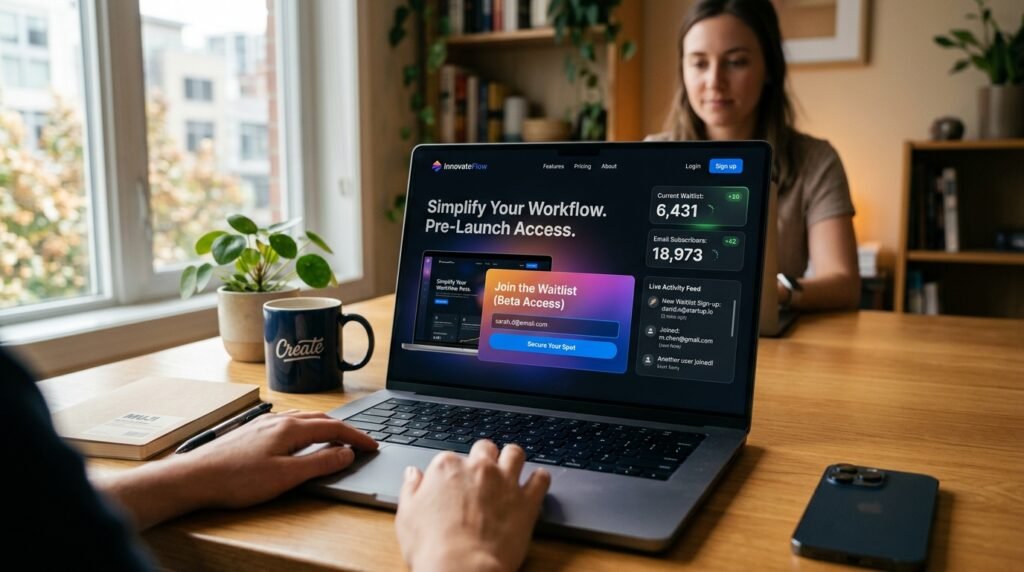
An easy website that describes the product concept can help gauge initial demand. Signals of market interest can be gained from email sign-ups, wait lists, and visitor behavior.
Test Interest Through Social Media

By sharing product ideas and making short demos or polls on social media sites, startups can get some feedback and engagement, which they can utilize to see how their product is going to be received before making a substantial financial investment.
Look for Willingness To Pay

Just because something is of interest doesn’t necessarily mean it’s a good business opportunity. The more likely potential customers are to commit to spending money on the solution that is being offered, the stronger the validation.
Start Small and Measure Feedback

Testing at the beginning with small groups provides startups with a chance to make improvements using real feedback. The key is that many successful companies can make a lot of small changes that can make them a lot better and better before they can launch anything big.
Track Data Instead of Assumptions

Visitors to your website, conversion rates, sign-ups, user retention, and user surveys are more reliable than personal opinions. Measurable data leads to better decisions for founders.
Stay Flexible and Open to Changes

Oftentimes, validation will show that an idea may need tweaks, not outright dismissal. When founders take into account feedback from customers, they have a better chance of creating products that last.
