
Paying taxes with a credit card seems to be a legal payment option, but it’s not as simple as swiping your card. The Internal Revenue Service needs all payments to be processed through specific third-party payment systems, which create additional charges, different processing times and potentially impact your credit score.
You’ll Pay a Processing Fee

The IRS does not accept credit cards directly. The IRS processes payments through payment processors who charge a convenience fee, which ranges from 1.85% to 1.98% based on the chosen provider.
Payments Go Through Approved Processors
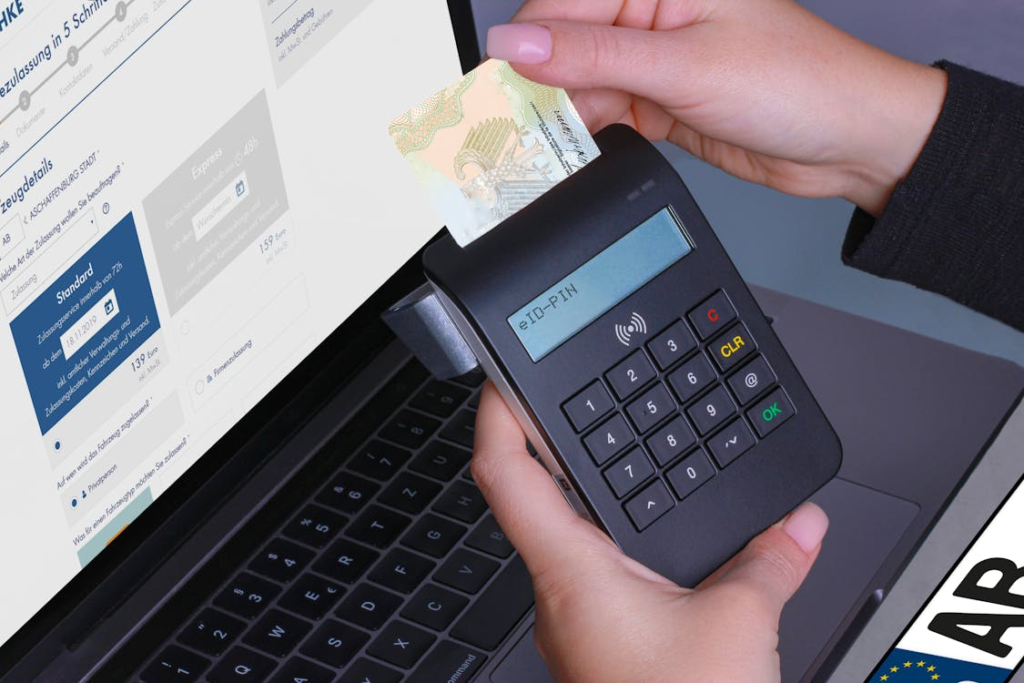
If payment is made by debit or credit card, these companies (Pay1040, ACI Payments, or PayUSAtax) will handle the transaction by first charging your card and then forwarding the payment to the IRS.
You May Earn Rewards
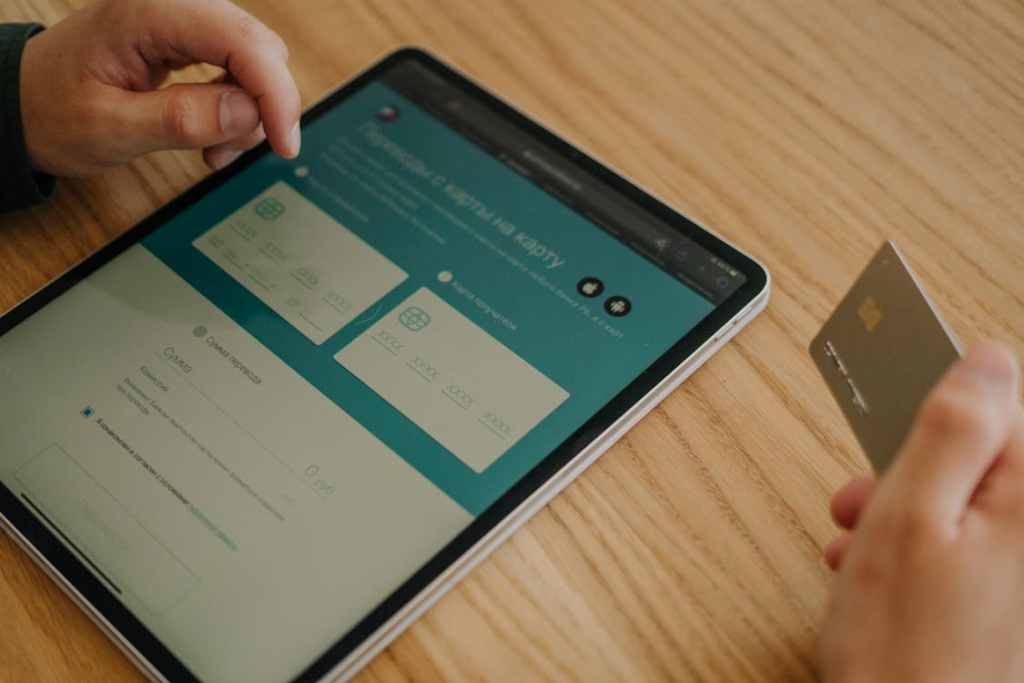
Based on a NerdWallet study, credit cards provide 1–2% cashback or travel rewards. The actual value of rewards becomes insignificant for most people because their costs exceed or match the rewards unless you achieve a signup bonus.
Help You Avoid IRS Late Payment Penalties

The IRS applies a late payment penalty that starts at 0.5% for each month of delay, which can go up to a total of 25%. Using a credit card for payment allows you to meet the payment deadline while preventing penalties, though you will need to pay off the debt later.
It May Impact Your Credit Score

Your credit utilization ratio increases because you make substantial tax payments, which result in using more than half of your available credit. Your credit score experiences a temporary decline because you have high credit utilization.
You’re Shifting Debt

It would not be wrong to say that paying taxes with a credit card shifts your debt from the IRS to your credit card issuer. Unlike IRS payment plans, which often have lower interest rates, credit cards can lead to higher long-term costs.
Processing Limits and Multiple Payments

The IRS allows multiple card payments, but processors may have limits per transaction or per year. The system enables users to divide their tax obligations into smaller payments through multiple credit card transactions.
Ending Notes

Paying taxes with a credit card creates two competing factors that people must evaluate. It may provide benefits for temporary use, but it requires users to comprehend all associated fees and interest charges and their effects on creditworthiness.
