
According to Workplace Insight, nearly 80% of organizations are already using AI. The current work environment displays unprecedented productivity because teams can now complete work through automated systems. Success requires more than basic speed capabilities. The hidden operational difficulties of several companies prevent them from achieving substantial organizational change.
Fast Doesn’t Mean Effective

Companies are rushing to implement tools without clear systems, standards, or oversight. The existing situation leads to confusion and operational inconsistencies, which prevent AI systems from achieving their full potential to create sustainable value.
Every Team Is Moving in Its Own Direction

Marketing, engineering, operations, and support teams are all using AI differently. The absence of coordination creates siloed systems and reduces overall efficiency that need to be improved by each department. This leads to organization leading to less efficiency because its different parts develop into separate entities.
The Hidden Problem

The absence of standardized data, handling procedures, together with output requirements and operational guidelines results in unreliable performance of AI systems. The diverse decision-making procedures used by different teams result in their creation of different outcomes.
Productivity Isn’t the Same as Transformation

AI can improve the speed of current processes, but this improvement does not result in business progress. The actual transformation process needs organizations to create new approaches for their systems and workflows and decision-making process.
When AI Starts Creating New Risks
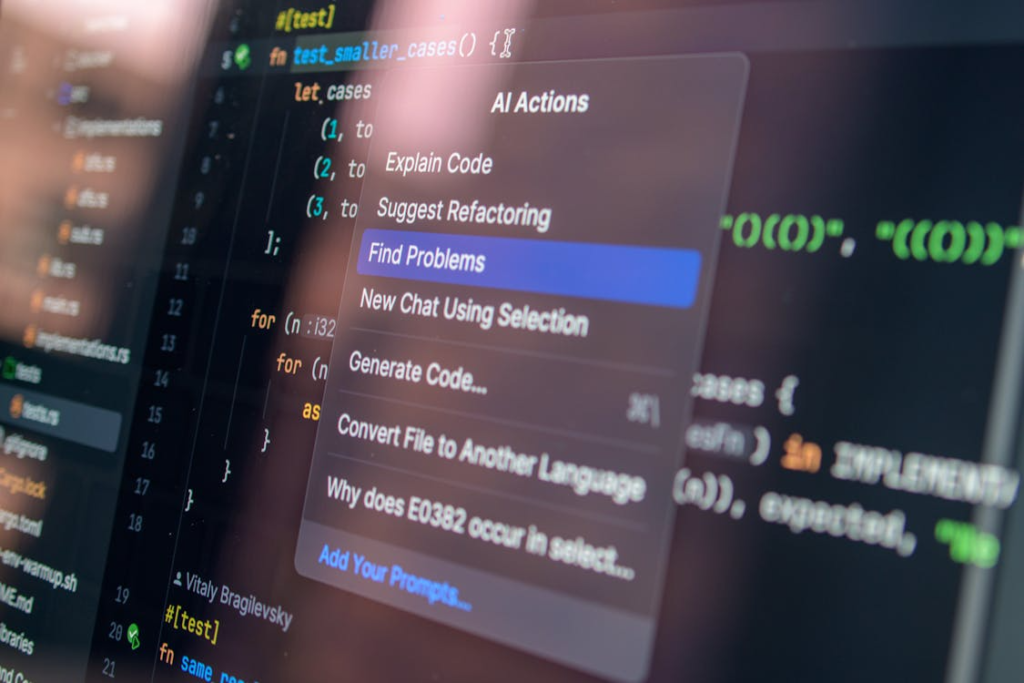
Poorly managed AI systems produce unreliable outcomes through their generation of wrong results and their restricted capacity to provide useful information. The absence of governance and educational programs results in operational problems, which develop into organizational risks.
Why Some AI Tools Fail Completely

The implementation of AI software may encounter challenges when their operational requirements do not match existing organizational processes. In some companies, employees simply refuse to use them because they add complexity rather than solving real problems.
What Successful Companies Do Differently

Companies that succeed with AI focus on alignment. They establish clear operational standards, which include data protection measures and performance evaluation methods to achieve unified team objectives. AI becomes part of the core system, not just an add-on tool.
Leadership Ownership

The successful implementation of artificial intelligence requires both technical solutions and effective leadership. When executives take ownership and improve alignment between strategy, governance, and execution processes, they use AI as a powerful engine for business growth. The most effective tools will not produce actual results without proper leadership.
